March 20, 2026
Proper insulation is one of the most important factors in maintaining a comfortable and energy-efficient home. When insulation is installed correctly, it helps regulate indoor temperatures, reduce energy consumption, and protect the structure from moisture and air infiltration. However, the effectiveness of insulation depends heavily on installation quality and the ability to minimize gaps where heat can escape or enter. Even small openings in walls, ceilings, or floors can compromise performance and prevent homeowners from achieving the full R-value that insulation is designed to provide.
Homeowners and builders often choose batt insulation because it offers a practical solution for insulating walls, floors, and ceilings. When installed with precision, it can create a consistent thermal barrier that improves comfort throughout the home. Achieving the highest possible performance requires careful preparation, accurate measurements, and attention to sealing potential air leaks. Understanding how insulation works and how to install it properly can help maximize energy efficiency while maintaining long-term durability.
Explaining How R-Value Affects Home Performance
R-value measures an insulation material's ability to resist heat transfer. The higher the R-value, the better the material performs at slowing the movement of heat between the interior and exterior of a home. Homes with proper insulation maintain more consistent indoor temperatures, which can reduce the strain placed on heating and cooling systems. When insulation performs as intended, homeowners often experience lower energy bills and improved comfort during both hot and cold seasons. Consistent insulation performance also helps reduce drafts and prevent sudden temperature swings between different rooms.
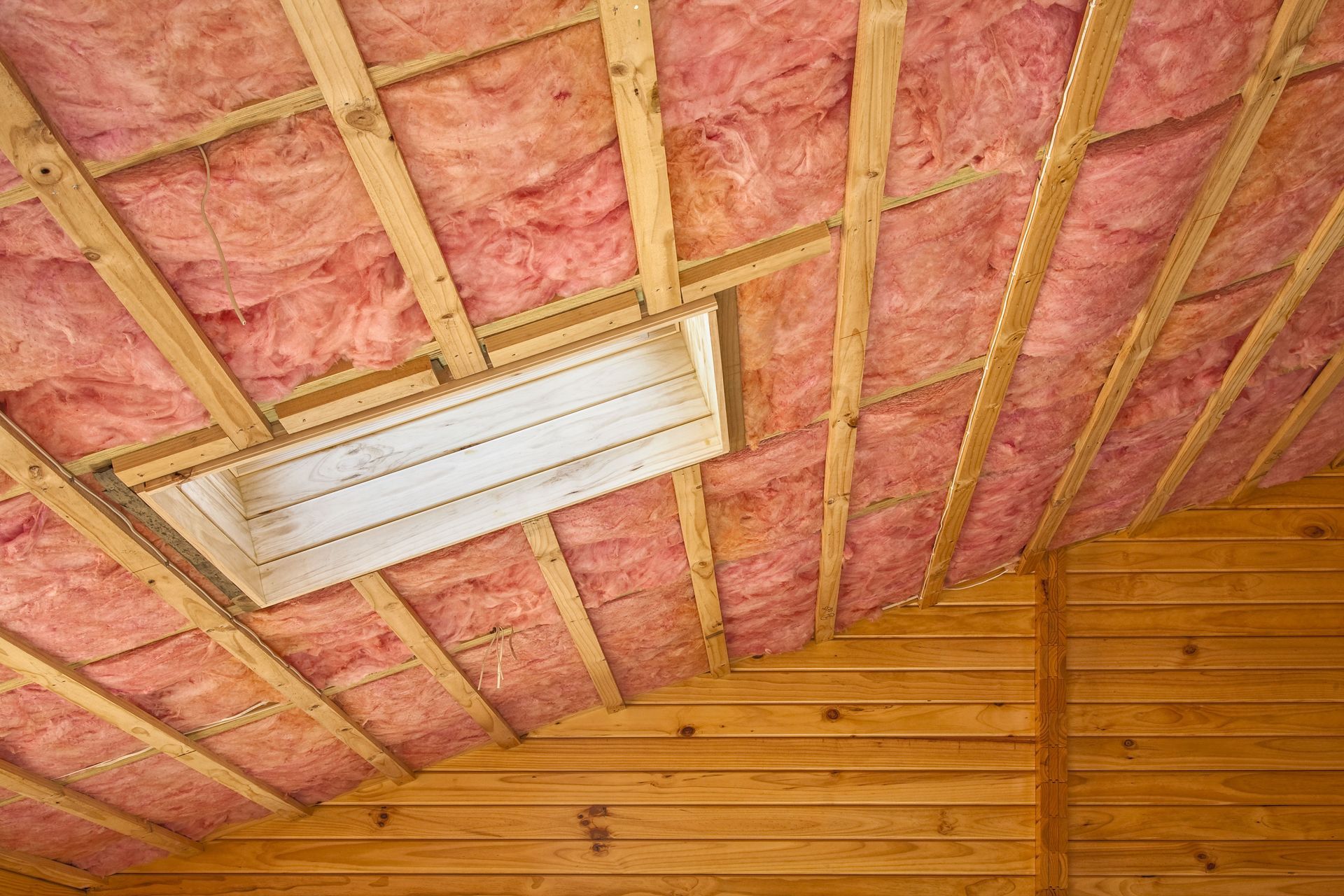
Many homeowners rely on insulation products that provide predictable thermal performance when installed properly. According to This Old House, batt insulation is commonly manufactured to fit between structural framing components such as wall studs and floor joists that are spaced at standard 16-inch or 24-inch intervals. This design allows insulation to fit snugly within the structure of the home, helping create a uniform barrier against temperature fluctuations. When the insulation fits correctly within framing cavities, it can deliver the R-value it was designed to provide. Proper placement also helps limit thermal gaps that could allow conditioned air to escape.
Preparing Framing Cavities Before Installation
Preparation is a critical step in achieving maximum insulation performance. Before installing insulation, it is important to inspect framing cavities for debris, protruding nails, wiring issues, or other obstacles that could prevent the material from sitting flat. A clean and unobstructed cavity allows insulation to fill the space evenly without compression or distortion. If insulation is forced around obstructions, its ability to resist heat transfer may be reduced.
Proper preparation also helps installers determine the correct thickness and type of batt insulation for the specific area being insulated. Walls, ceilings, and floors may require different R-values depending on climate conditions and building codes. Taking time to prepare the cavity and confirm proper measurements ensures that insulation fits securely without leaving open areas where air could pass through. This step sets the foundation for effective insulation performance throughout the home.
Sealing Air Gaps Before Adding Insulation
Air leaks are one of the most common reasons insulation fails to deliver its full performance. Even small openings around electrical boxes, plumbing penetrations, and framing joints can allow conditioned air to escape. Before insulation is installed, these gaps should be sealed using foam, caulk, or other appropriate air sealing materials. By blocking airflow at these vulnerable points, homeowners can prevent drafts and improve the overall efficiency of the insulation system.
When air leaks are properly sealed, batt insulation can perform much more effectively because it is not competing with moving air. Insulation works best when it remains still and undisturbed within the cavity. Air sealing reduces unwanted air movement, allowing insulation to maintain a stable thermal barrier. Addressing air leaks before installation helps create a more consistent indoor environment while supporting the insulation's ability to reach its full R-value potential.
Installing Insulation With Precision And Care
Accurate installation is essential for maximizing the effectiveness of insulation materials. Insulation should fit snugly within framing cavities without being compressed or stretched. When insulation is compressed, it loses some of its thickness, which reduces its thermal resistance. On the other hand, insulation that is loosely installed may leave gaps that allow heat to bypass the material entirely.
Professional installers understand how to place batt insulation so that it fills the cavity evenly while maintaining its intended thickness. Special attention should be given to areas around electrical outlets, pipes, and other obstacles. Instead of forcing insulation into place, installers often cut and shape the material so it fits neatly around these features. This careful approach helps maintain consistent coverage and prevents voids that could reduce the insulation's overall performance.
Maintaining Continuous Coverage Across Surfaces
Insulation performs best when it forms a continuous thermal barrier across walls, ceilings, and floors. Interruptions in insulation coverage can create thermal bridges where heat flows more easily through structural components. Maintaining consistent insulation across the entire building envelope helps reduce these weak points and supports even temperature distribution throughout the home.
When installing batt insulation, it is important to align each section carefully so that adjacent pieces meet without leaving gaps. Overlapping insulation or leaving spaces between batts can disrupt the thermal barrier and reduce effectiveness. By focusing on continuous coverage, homeowners and installers can create a more reliable insulation system that performs well in both warm and cold weather conditions.
Inspecting Installed Insulation For Performance
After insulation has been installed, a careful inspection can help confirm that it is positioned correctly and delivering the expected results. This inspection should include checking for gaps, compressed sections, or areas where insulation may have shifted during installation. Correcting these issues early helps prevent energy loss and supports consistent indoor comfort.
Regular inspections can also identify areas where insulation may need improvement over time. Settling materials, structural changes, or moisture exposure can affect insulation performance. When batt insulation is monitored and maintained properly, it continues to provide effective thermal protection for many years. This attention to detail helps homeowners protect their investment while maintaining an energy-efficient home environment.
Working With Professionals To Improve Energy Efficiency
While insulation installation may appear straightforward, achieving optimal performance often requires professional expertise. Experienced insulation professionals understand how to address common challenges such as irregular framing cavities, hidden air leaks, and moisture management. Their experience allows them to identify potential issues that might otherwise go unnoticed during installation.
Working with skilled professionals can help homeowners maximize insulation performance while ensuring the project meets local building codes and efficiency standards. Professionals can recommend the appropriate R-values for specific areas of the home and provide guidance on maintaining insulation performance over time. This level of attention helps create a well-insulated home that remains comfortable and efficient year-round.
Achieving maximum insulation performance requires more than simply filling wall cavities with material. Proper preparation, air sealing, accurate installation, and thorough inspection all contribute to the effectiveness of an insulation system. When these steps are followed carefully, insulation can create a reliable thermal barrier that supports consistent indoor temperatures and improved energy efficiency. Homeowners who focus on installation quality often experience better comfort and reduced energy costs.
If you want to improve the comfort and efficiency of your home with professional batt insulation services, contact Next Generation Insulation today. Our experienced team can help evaluate your property, recommend the right insulation solutions, and provide expert installation that helps your home perform at its best.