March 23, 2026
Exploring the differences between spray foam insulation and fiberglass can help you make an informed decision about which is the best choice for your home. This article addresses key questions you may have when comparing these two popular insulation options. By understanding what each type offers in terms of performance, cost, and environmental impact, homeowners can choose the right insulation for their needs. Whether you prioritize energy efficiency, budget constraints, or other factors, this comprehensive guide will aid in your decision-making process.
What are the key differences between spray foam insulation and fiberglass?
Material Composition
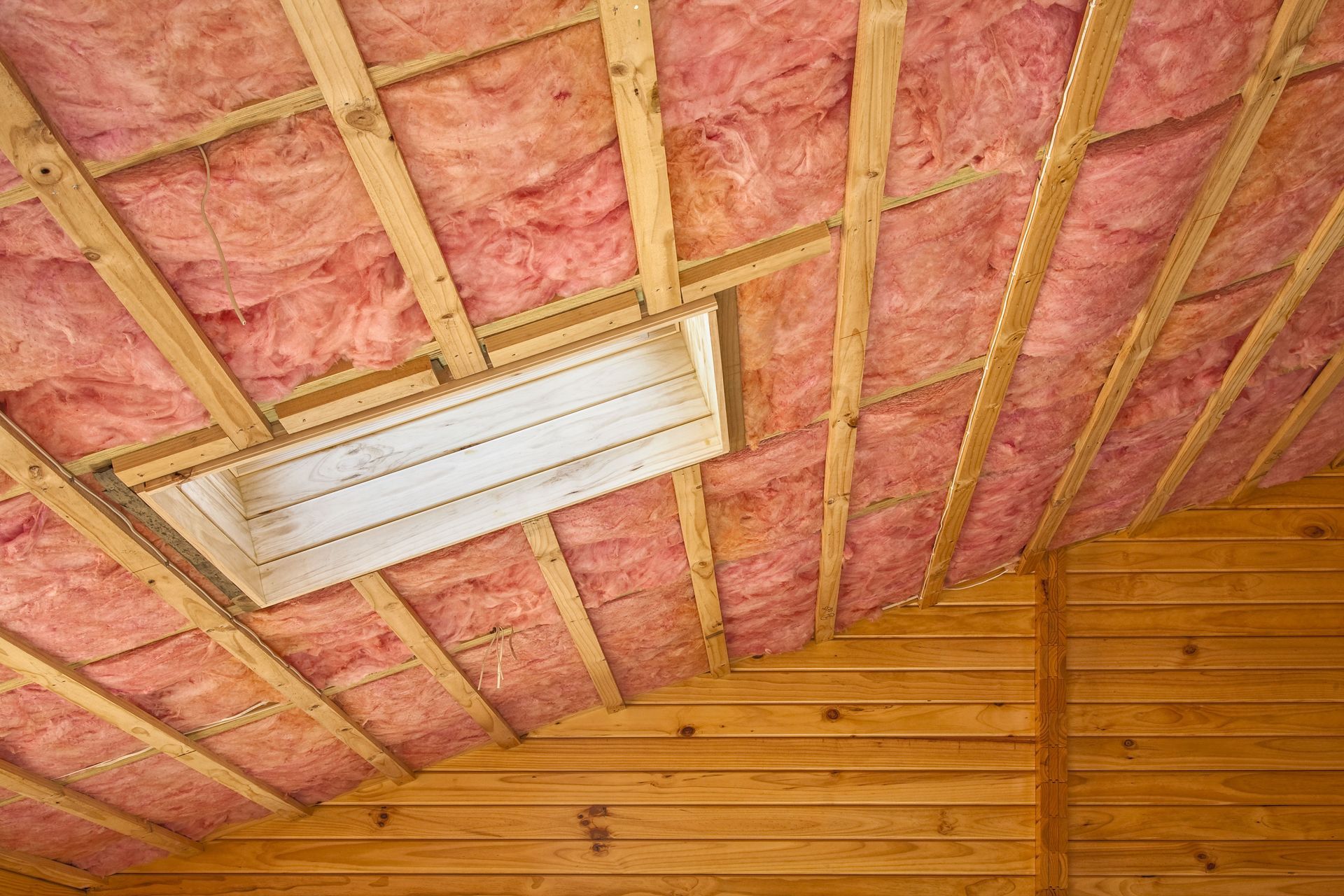
Spray foam insulation is made from a polyurethane-based compound that expands and solidifies upon application. This technology ensures a tightly sealed environment, effectively reducing air infiltration and energy loss. Fiberglass insulation, on the other hand, is composed of fine glass fibers woven into batts or loose-fill. Each material's unique composition lends itself to specific advantages and challenges in home insulation.
The choice between spray foam and fiberglass often depends on the specific requirements of the building project. Spray foam, for example, is ideal for irregular spaces because it adapts to the contours of the space it’s applied to. In contrast, fiberglass is typically manufactured in standard sizes, which may necessitate trimming or fitting. These fundamental material differences directly impact both how and where the insulation can be used effectively.
Fiberglass is often chosen for its affordability and ease of installation, being a more traditional insulation method. However, advancements in spray foam technology have made it increasingly popular for its superior insulating properties. According to PropertyInspect, spray foam provides 50% more insulation than traditionally used products such as mineral wool and fiberglass, which can significantly benefit energy savings. Both options offer particular benefits related to their composition, aiding homeowners in making informed decisions.
Installation Process
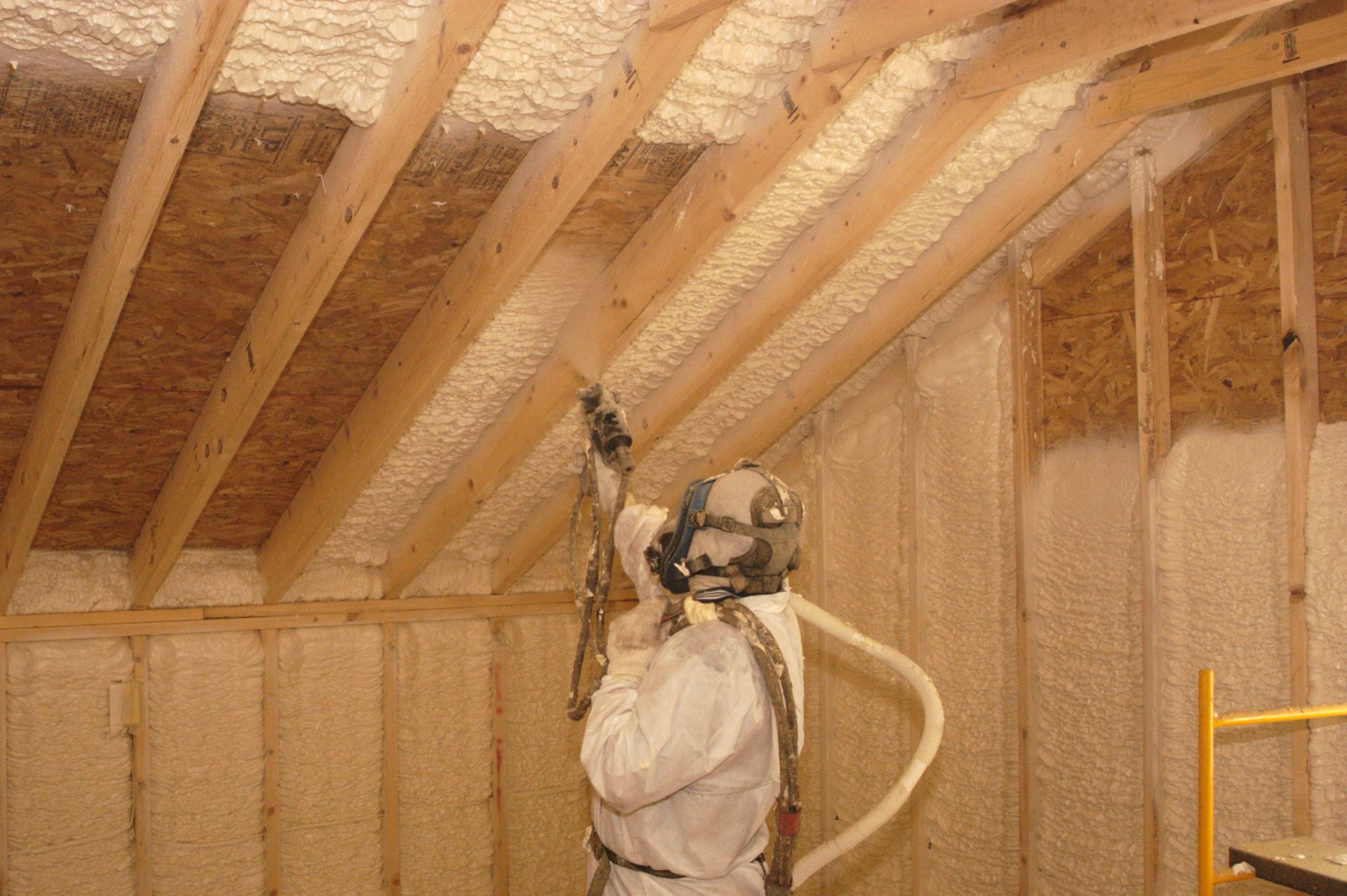
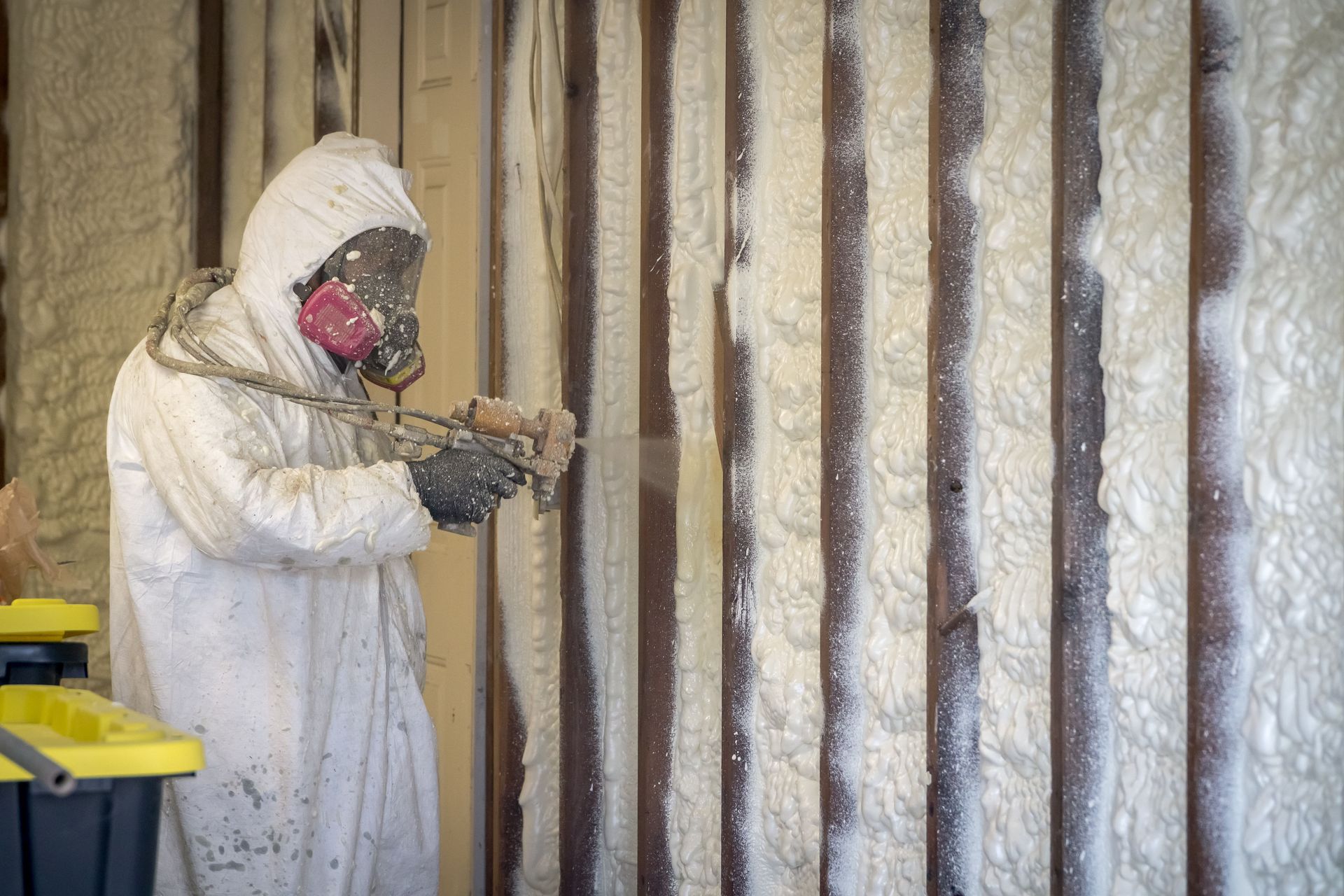
The installation of spray foam insulation involves a two-component mixture that expands rapidly and fills crevices, creating an airtight seal. It requires specialized equipment and professional training to apply correctly, which can influence the overall installation costs. In contrast, fiberglass insulation batts can often be installed by DIY enthusiasts or can be set in place by general contractors, given its straightforward application process. Loose-fill fiberglass can add an extra layer of complexity due to the equipment needed for blowing the material into place.
Spray foam insulation tends to result in a quicker installation time due to its ability to fill and adhere to surfaces rapidly. However, careful preparation and consideration of safety measures are necessary to ensure the application is performed safely and effectively. Fiberglass may require more delicate handling to avoid irritation and ensure protective attire is worn to mitigate respiratory risks. This consideration is especially relevant in smaller spaces where maneuverability becomes a factor during installation.
While spray foam allows for greater flexibility in application, particularly in unconventional spaces, it requires skilled labor and specialized tools. Conversely, fiberglass's longer history in the market means more widespread contractor familiarity with its application processes. This familiarity may account for the preference for fiberglass in some new builds or renovations, particularly where a quick turnaround is necessary. Each installation method has inherent advantages depending on project scope and context.
What are the pros and cons of using spray foam insulation?
Advantages of Spray Foam
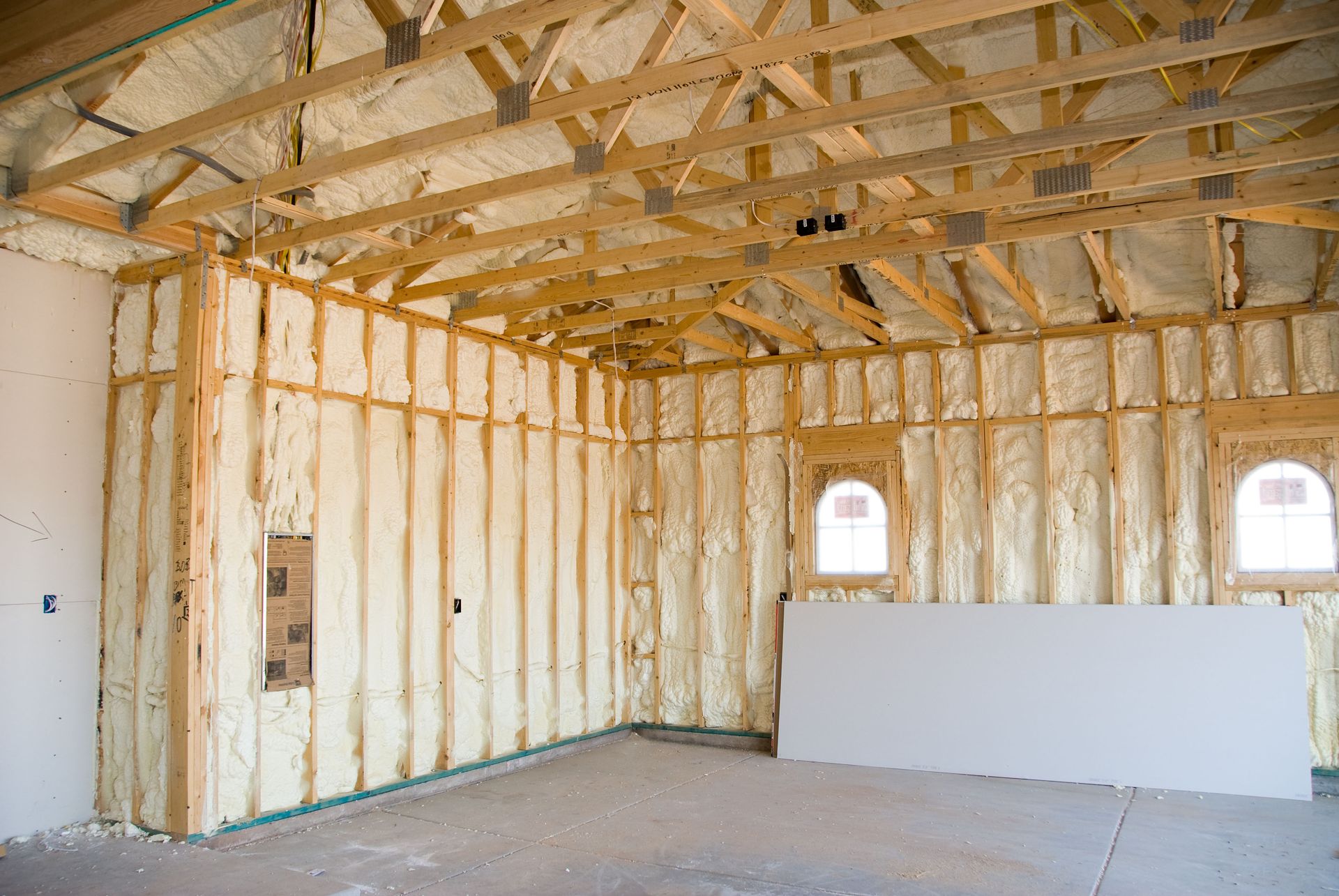
One of the foremost advantages of spray foam insulation is its high insulating value with a compact thickness. The material's ability to expand significantly enhances its capacity to fill gaps and crevices, which eliminates energy-wasting leaks. This level of coverage contributes to quieter homes with tightened sound transmission barriers. Spray foam’s longevity also results in less frequent replacement, extending the investment value over time.
Additionally, spray foam adapts well in environments that feature unusual configurations or hard-to-reach locations. Its adhesion properties allow it to bond with almost any surface, including wood, metal, and masonry. By preventing outside pollutants and allergens from penetrating the home, spray foam supports improved indoor air quality. Higher initial costs are often offset by long-term savings on utility bills due to reduced energy consumption.
The impermeability of closed-cell spray foam also means it doubles as a moisture barrier, which helps prevent mold growth and dampness. Structures in humid climates particularly benefit from this moisture control, which adds another layer of protection. Moreover, spray foam's robust composition adds additional structural strength to walls, contributing to a more resilient building envelope. These defining characteristics make spray foam an appealing choice for many homeowners aiming for sustainable, efficient insulation.
Disadvantages of Spray Foam
Despite its many advantages, spray foam insulation is not without its drawbacks. The initial investment cost is usually higher compared to traditional forms like fiberglass, which can be a barrier for budget-conscious homeowners. Its installation requires professional expertise and safety considerations due to the chemicals involved, which can add to the expense. These factors contribute to the long evaluation process many prospective buyers undergo before committing to spray foam.
Some environmental concerns persist over the use of isocyanates, compounds involved in the creation of spray foam, although low VOC and less toxic formulas increasingly mitigate this issue. Additionally, improper application can lead to poor performance, structural issues, or even health hazards, underscoring the importance of experienced installers. Homeowners must balance spray foam's benefits with the necessary precautions required during installation.
Another consideration is the potential off-gassing during initial application, which may temporarily affect indoor air quality. Despite advancements in formulation that reduce these emissions dramatically, sensitive individuals or those with respiratory concerns should take heed. Spray foam, while highly effective, requires strict attention to detail throughout its application, contributing to potential uncertainties for some users. These aspects should be weighed in conjunction with the insulation's inherent efficiencies.
Are there specific situations where one option is better than the other?
Climate Considerations
Climate plays a significant role in determining the best insulation option for your home. In colder climates, the high R-value offered by spray foam insulation can provide unmatched thermal protection. Spray foam's superior sealing properties prevent air from seeping into spaces, significantly reducing heating requirements in winter. In hot climates, it also helps maintain cooler indoor temperatures by preventing hot air intrusion.
Fiberglass can be suitable in moderate climates where saturation from rain and snow is less of a concern, and a more cost-effective solution is desired. Its strengths lie in its applicability and cost efficiency, making it a viable option where extreme weather conditions are not prevalent. In regions with fluctuating weather patterns, however, spray foam's adaptability to temperature variations can offer more consistent energy savings.
Geographic location influences energy efficiency strategies, including which insulation type may be most beneficial. Reducing heating and cooling demands tailored to climate helps develop sustainable energy solutions and lower utility expenses. Spray foam, with its durable, adaptable features, can offer superior all-season insulation performance where variable climates challenge conventional systems.
Structural Requirements
Structural conditions heavily influence which insulation type is most appropriate for a given building project. Homes with complex architecture or irregularly shaped spaces often require the flexibility provided by spray foam insulation. Its ability to adapt to various structures makes it versatile enough to meet challenging construction requirements. This adaptability not only maximizes space utility but enhances insulation effectiveness in these areas.
Conversely, buildings using traditional framing methods with accessible spaces may find fiberglass to be an excellent, cost-effective option. Its standard-sized batts are designed to fit between studs at a lower average cost of materials. Large open spaces, such as attics or industrial settings, particularly benefit from its easy handling.
Some structures, particularly those engaging in restoration or heritage conservation, may require specific insulation considerations. In these cases, careful evaluation of structural compatibility, historical accuracy, and material performance is essential. Aligning these factors with the insulation’s properties ensures that the overall built integrity and cultural value are preserved while achieving modern energy efficiency goals.
After considering the pros and cons of spray foam insulation versus fiberglass, you can make a well-informed decision about which option best suits your home’s needs. Each type of insulation has its unique benefits and challenges, ultimately depending on various factors like budget, location, and personal preferences. While spray foam insulation offers superior insulating properties and long-term benefits, fiberglass presents a cost-effective and accessible choice for a variety of projects. Integrating these considerations helps ensure that the chosen insulation method serves the dual goals of energy efficiency and structural suitability. Reach out to Next Generation Insulation today!