October 1, 2026
Choosing among insulation contractors involves more than comparing prices. The right contractor should offer insulation options that fit the property, understand the project's requirements, and provide services that correspond with its scope. Whether you need residential attic insulation, spray foam for a commercial building, or an energy-efficiency upgrade, understanding the available services can make it easier to compare your options.
The Assessment of Insulation Needs
Compare Insulation Types
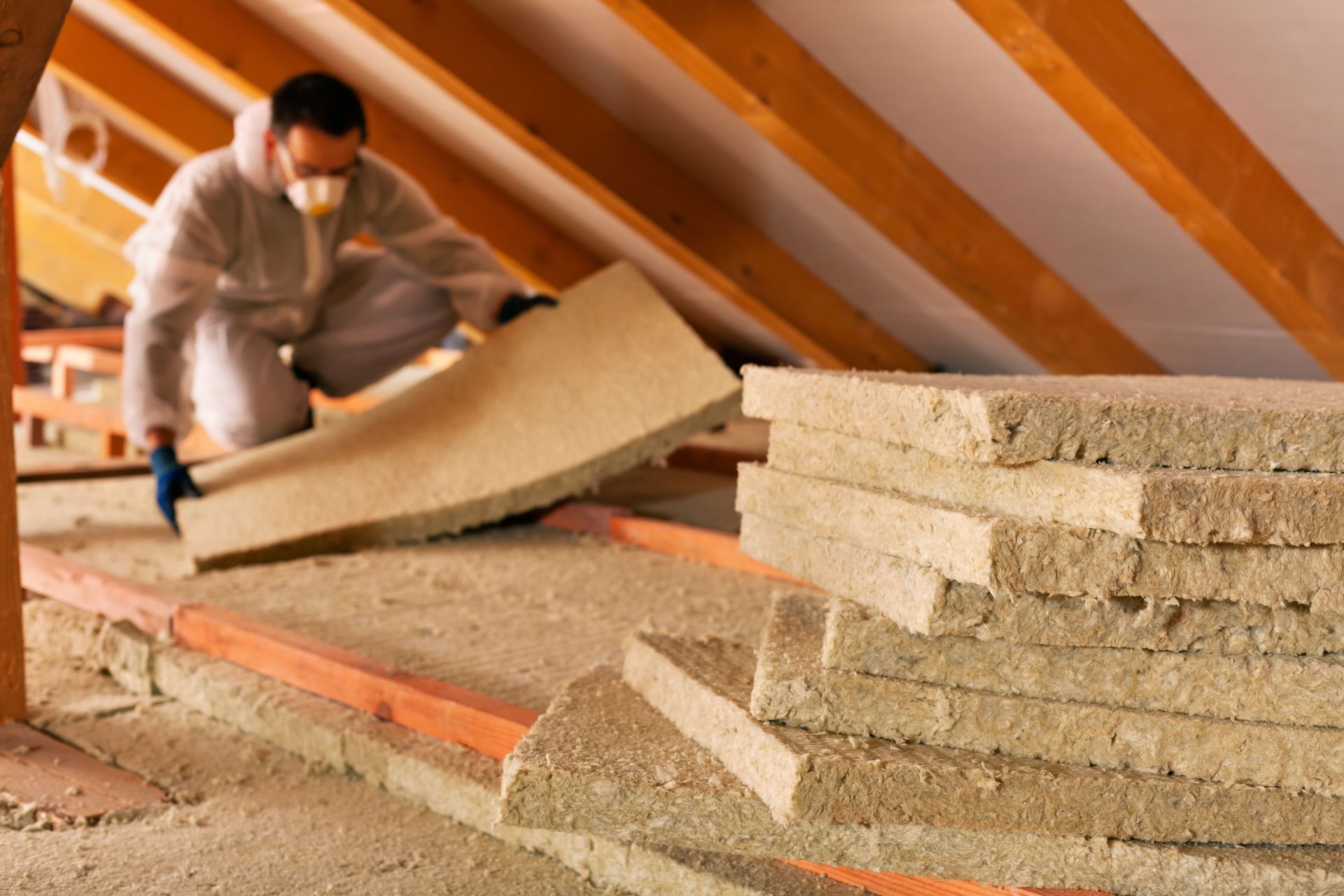
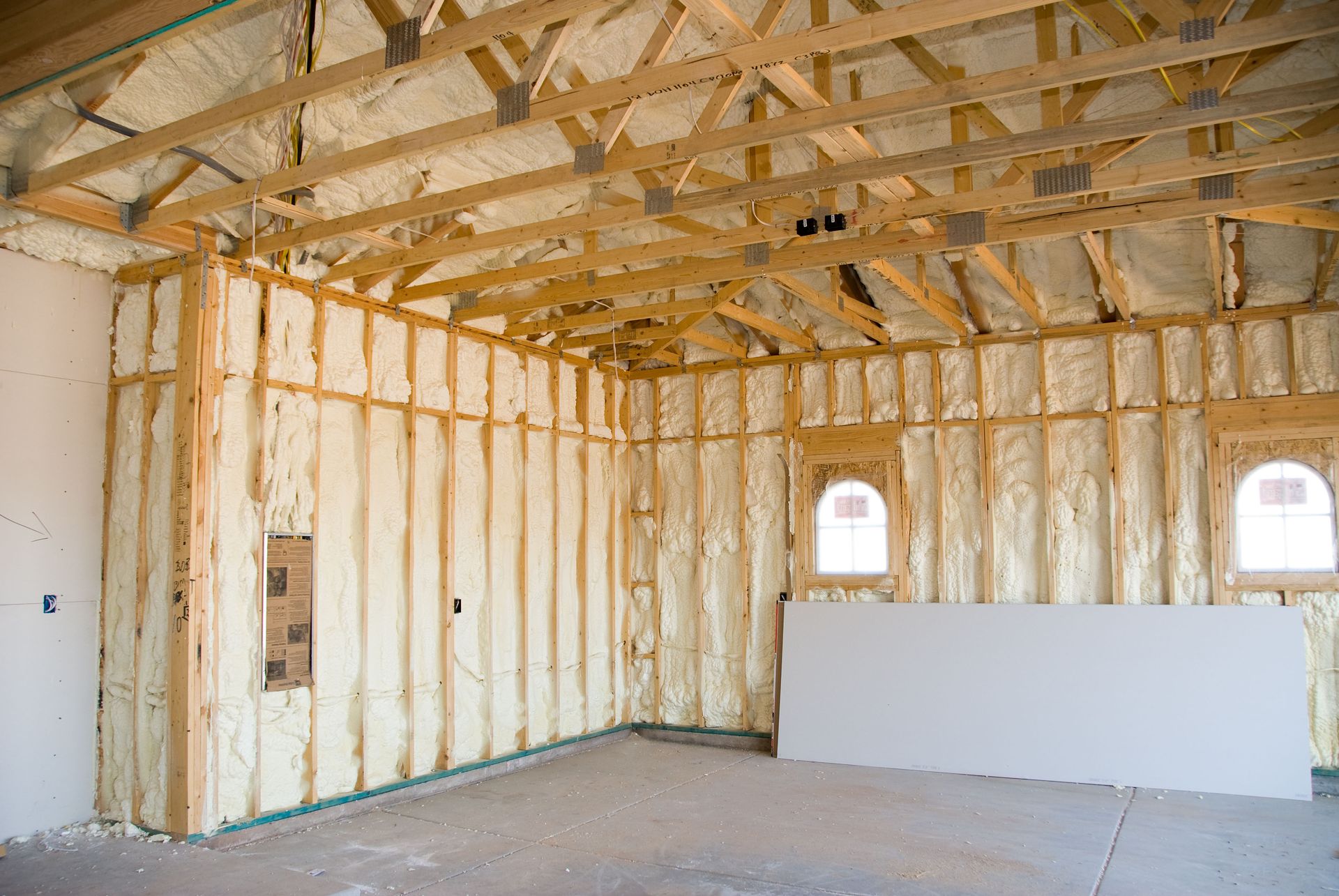
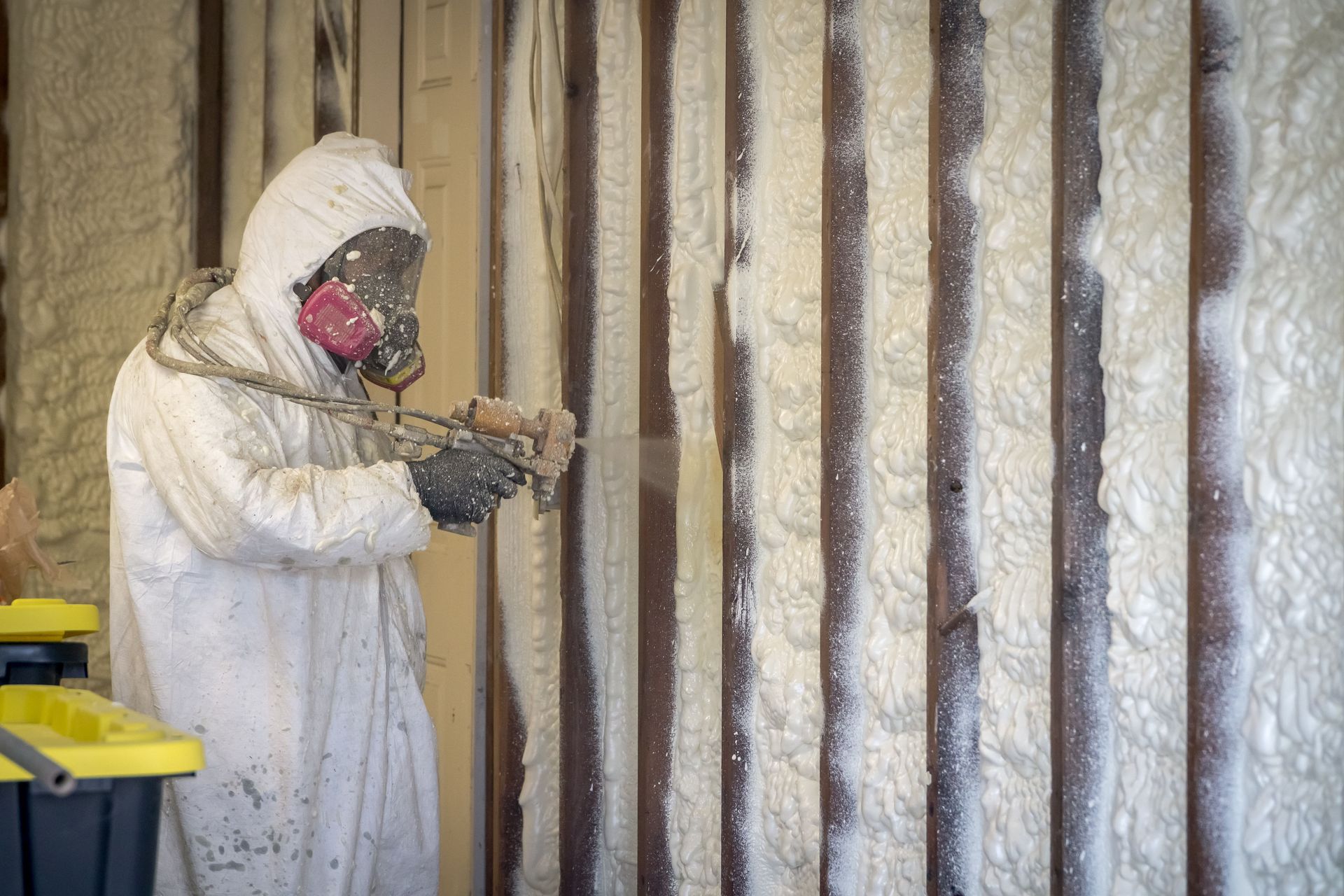
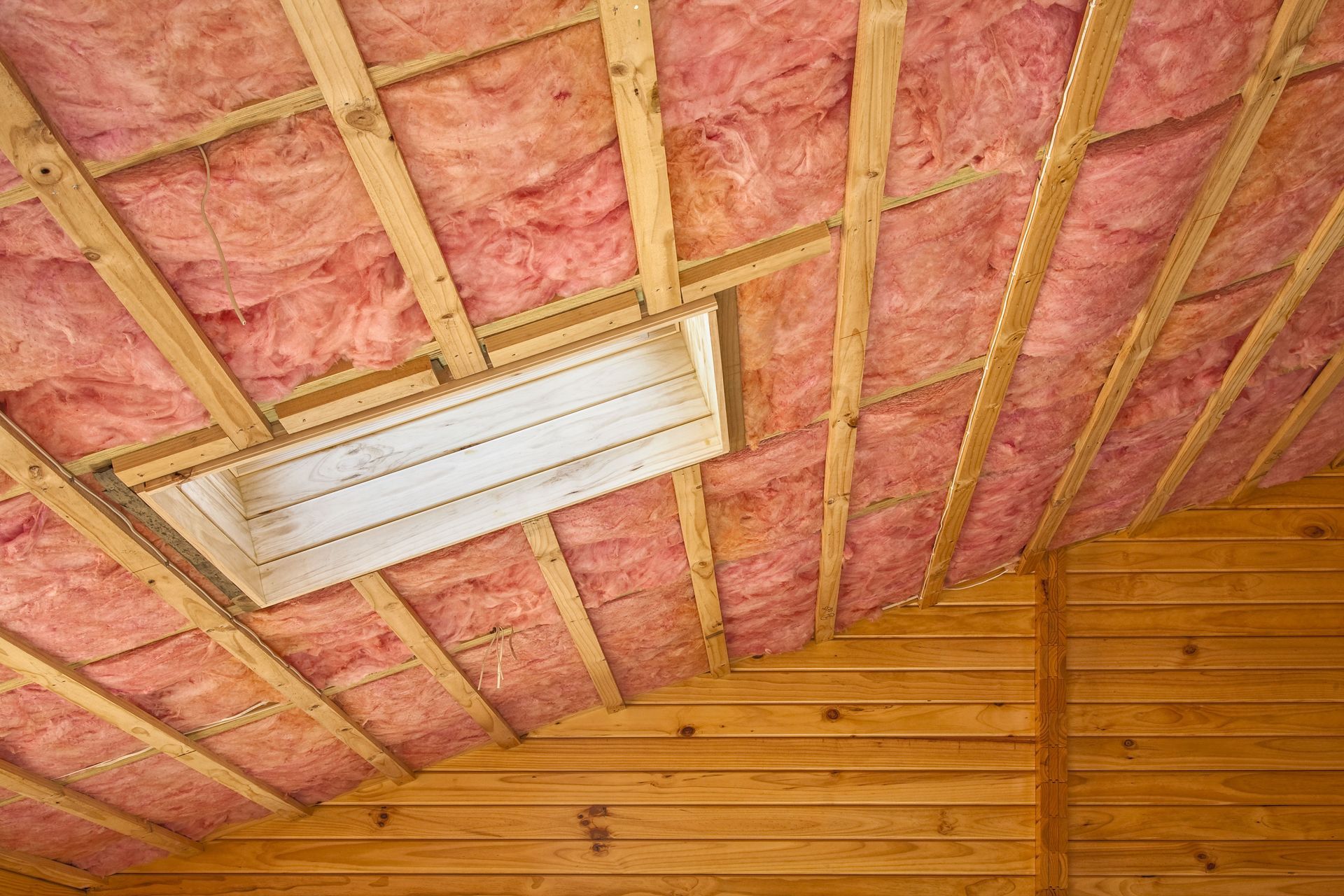
Identifying the appropriate insulation type is an important step when planning a project. Different materials are suited to different applications, and the right option can depend on whether insulation is being installed in an attic, wall, crawl space, garage, commercial building, or another area. Common options include fiberglass, cellulose, blown-in insulation, and spray foam, including open-cell and closed-cell spray foam.
Blown-in insulation can be used in attic and wall applications, while fiberglass is available in rolls and blown-in forms. Cellulose can be used in attics and wall cavities, including retrofit and new construction applications. Spray foam can be used for attics, crawl spaces, walls, garages, and commercial buildings, while air sealing, moisture control, sound dampening, thermal barriers, and radiant barriers may also be relevant depending on the application.
Assess the Project Scope
Understanding the size and scope of an insulation project provides a clearer starting point for planning. Consider how much of the property requires insulation, which areas are involved, whether the project is residential or commercial, and whether the building is new or existing. A clearly defined scope can also make it easier to compare insulation contractors based on the specific services they provide.
Residential insulation projects can involve attics, walls, crawl spaces, garages, and other areas. Commercial projects may involve larger buildings, industrial spaces, retrofit work, or new construction. Defining the scope can help you determine which materials and applications should be included in your discussions with potential insulation contractors.
Define Your Budget
Establishing a budget early can help you compare insulation options without losing sight of the project's overall requirements. Costs can vary based on the size of the area, the insulation material selected, the property's existing conditions, and whether additional services are needed. Discussing the intended scope with insulation contractors can help you compare the options being considered.
Instead of comparing contractors on price alone, consider what each proposal includes. One project may involve straightforward insulation installation, while another may require insulation removal and replacement, air sealing, or additional work in an existing building. Comparing the scope alongside the cost can provide a clearer picture of the available options and help you evaluate insulation contractors more effectively.
The Research of Potential Contractors
Ask About Relevant Experience
When comparing insulation contractors, look for experience that corresponds with the type of project you are planning. A residential attic insulation project may involve different materials and applications than a commercial insulation project, while spray foam work can involve different considerations than blown-in or fiberglass insulation. Asking about the specific services available can help you determine whether a contractor corresponds with your project.
Ask whether the contractor handles the specific area and property type involved. Available applications may include attics, walls, crawl spaces, garages, commercial buildings, and industrial spaces. If the project involves an existing building, ask about retrofit insulation and whether insulation removal and replacement are available when needed.
Review Services and Applications
A contractor's website can help you determine whether its services correspond with the requirements of your project. Review the insulation materials and applications offered, including fiberglass, cellulose, blown-in insulation, spray foam, attic insulation, wall insulation, and crawl space insulation. This can help you narrow your options before contacting insulation contractors.
It is also useful to check whether the contractor works with the type of property involved. Commercial services may include spray foam, fiberglass insulation, energy-efficiency audits, retrofit insulation, and new construction insulation. Reviewing these applications can help you determine whether potential insulation contractors offer the services required for your property.
The Evaluation of Insulation Options
Ask About Materials and Applications
Prepare questions that address the specific insulation needs of your property. Ask which insulation materials are appropriate for the area being addressed and whether the contractor provides the application you need. Available options can include fiberglass, cellulose, blown-in insulation, open-cell spray foam, and closed-cell spray foam.
You can also ask about the areas included in the project. Depending on the property, insulation services may apply to attics, walls, crawl spaces, garages, or commercial buildings. If existing insulation is present, ask whether removal and replacement are available and whether air sealing or other related services can be included.
For commercial projects, ask which applications are available and whether services such as energy-efficiency audits, retrofit insulation, new construction insulation, or thermal barrier applications apply to the project. According to Global Market Insights Inc., one of the key catalysts for the spray foam industry's growth, which is forecast to hit $4.1 billion by 2032, is the steady increase of construction projects in the commercial sector. Considering the project's specific application can help you determine which insulation services warrant further discussion.
Discuss the Project Scope
Discuss the areas that require insulation and the type of property involved. A residential project may focus on an attic, wall, crawl space, garage, or another area, while a commercial project may require insulation across a larger building or industrial space. Clearly identifying these areas can make conversations with insulation contractors more focused.
Ask which materials and applications correspond with the project. Available options include blown-in insulation, cellulose, fiberglass, open-cell spray foam, and closed-cell spray foam. Depending on the existing conditions, the project may also include insulation removal and replacement or air sealing.
If the property has additional energy-efficiency needs, ask whether related services are appropriate. Available options include energy-efficiency assessments, duct sealing, air sealing, and ductless mini-split installation. Discussing these options can help determine whether the project should include services beyond insulation installation.
The Selection of the Right Contractor
Compare the Full Scope
Once you have reviewed your options, compare insulation contractors based on the services that directly correspond with your project. Look at the insulation materials offered, the areas they serve, and whether they provide the specific residential or commercial application you need. A full comparison can help you focus on the scope of the work rather than price alone.
For projects involving broader building improvements, consider whether related services are available. Insulation contractors may also provide air sealing, duct sealing, energy-efficiency assessments, ductless mini-split installation, or commercial roofing services. Comparing the full scope can help you determine which contractor's service range fits the property.
Consider Related Services
Some properties require more than a single insulation application. Energy-efficiency needs may involve insulation combined with air sealing or duct sealing, while temperature-control needs may make a ductless mini-split system appropriate. Commercial properties may also require roof maintenance, coatings, or restoration alongside insulation work.
Reviewing these related services can help you determine whether a contractor's capabilities correspond with the full project rather than only one portion of it. This can be particularly useful when insulation is part of a broader building improvement plan. Considering the complete range of applicable services can make the selection process more focused.
Choosing an insulation contractor starts with understanding your property's needs and finding services that align with the project. Consider the material, application area, overall scope, and any related energy-efficiency or building needs. Next Generation Insulation offers residential and commercial insulation, spray foam, blown-in insulation, fiberglass, cellulose, ductless mini-split systems, energy-efficiency services, and commercial roofing and restoration. Learn more about our available solutions to determine which options may suit your property.