March 9, 2026
In the pursuit of modern energy efficiency, maximizing your home's thermal envelope has become a primary objective for homeowners and builders alike. The thermal envelope is the physical separator between the conditioned exterior and the unconditioned interior of a building. Spray foam insulation plays a vital role in reinforcing this boundary, offering a high-performance solution that traditional materials often struggle to match.
This article explores the importance of a robust thermal barrier and how advanced insulation technology contributes to a more sustainable living environment. By understanding the mechanics of energy loss and the superior sealing properties of polyurethane foam, you can transform your home's energy performance. As global focus shifts toward resource conservation, optimizing your home's perimeter is a critical step in reducing your ecological footprint while enhancing personal comfort.
Understanding Your Home's Thermal Envelope
The thermal envelope acts as the primary shield, preventing outdoor weather conditions from disrupting the indoor climate. By effectively sealing the boundary between these two environments, the envelope allows heating and cooling systems to operate with minimal effort. Its integrity determines how well a structure retains heat during a freezing winter or repels solar gain during a scorching summer. A high-performance envelope is the foundation of energy savings, directly influencing the long-term operational costs of any household.
Identifying Components of the Thermal Envelope
A comprehensive thermal envelope consists of several integrated parts, including the foundation, outer walls, roof, windows, and doors. Each element must function in harmony to maintain thermal comfort. Walls fitted with high-density insulation, paired with weather-stripped doors and double-pane windows, form a cohesive barrier. This integrated approach is designed to decrease thermal bridging—a phenomenon where heat bypasses insulation through conductive materials like wood or metal studs.
Analyzing the Impact of a Compromised Envelope
When a home's perimeter is not effectively optimized, it leads to systemic issues such as excessive energy waste and uncomfortable drafts. A compromised envelope forces HVAC systems to work overtime, which significantly increases utility expenses and accelerates mechanical wear. Homeowners often report uneven temperatures between floors, persistent cold spots, and an overall decrease in air quality. Conducting regular assessments of these structural boundaries is critical to maintaining a healthy and efficient home.
Assessing Current Thermal Performance
Determining the current efficiency level of your home requires a systematic evaluation. This process typically begins by identifying obvious failure points, such as uninsulated attics or gaps around plumbing penetrations. Professionals often use thermal imaging cameras to see heat loss that is invisible to the naked eye. According to research from Precision Business Insights, the U.S. Inflation Reduction Act of 2025 provides homeowners with a 30% tax credit, capped at $1,200 per year, for installing qualifying energy-saving upgrades like spray foam insulation. This financial incentive makes the transition to a high-performance envelope more accessible than ever before.
Understanding the Basics
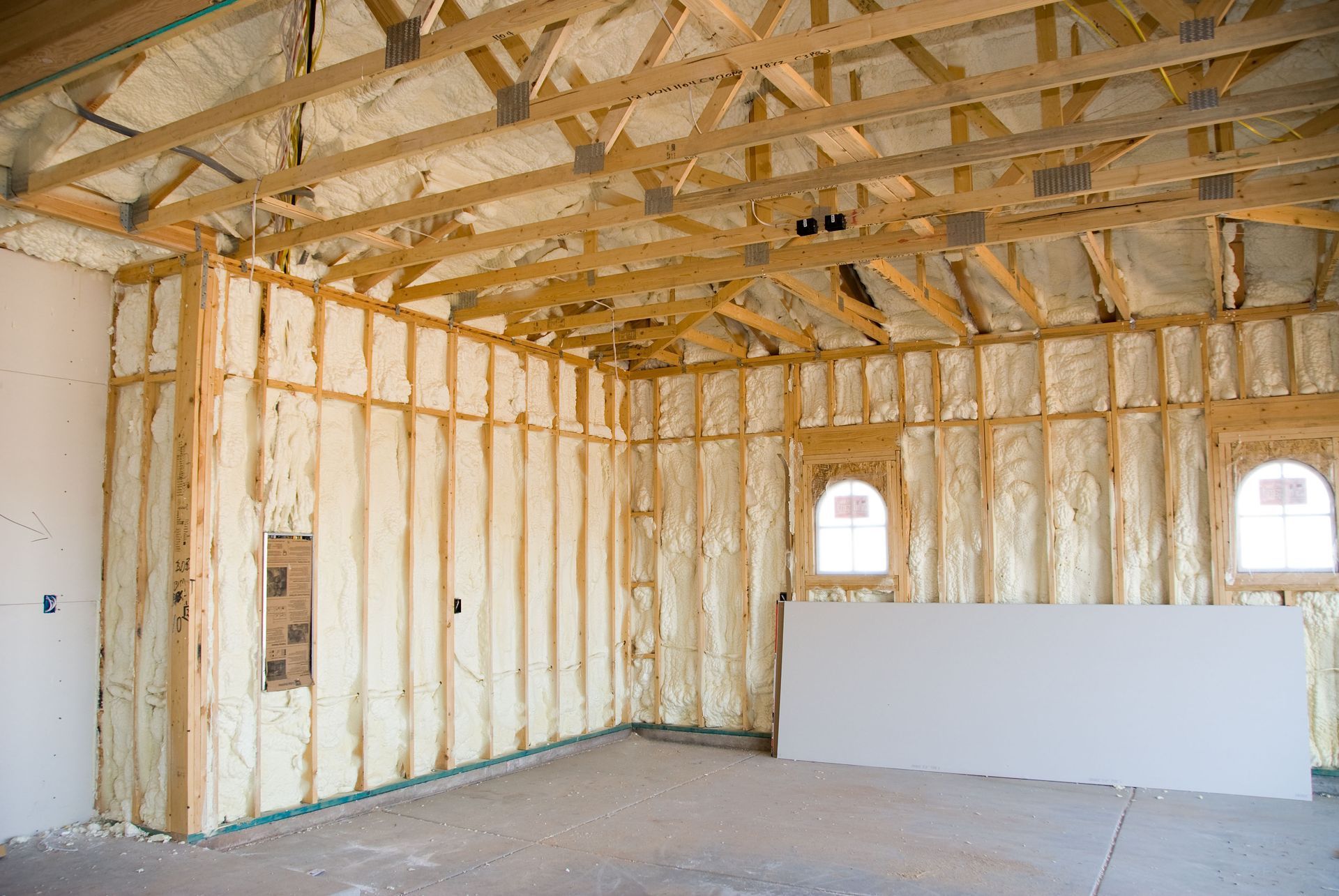
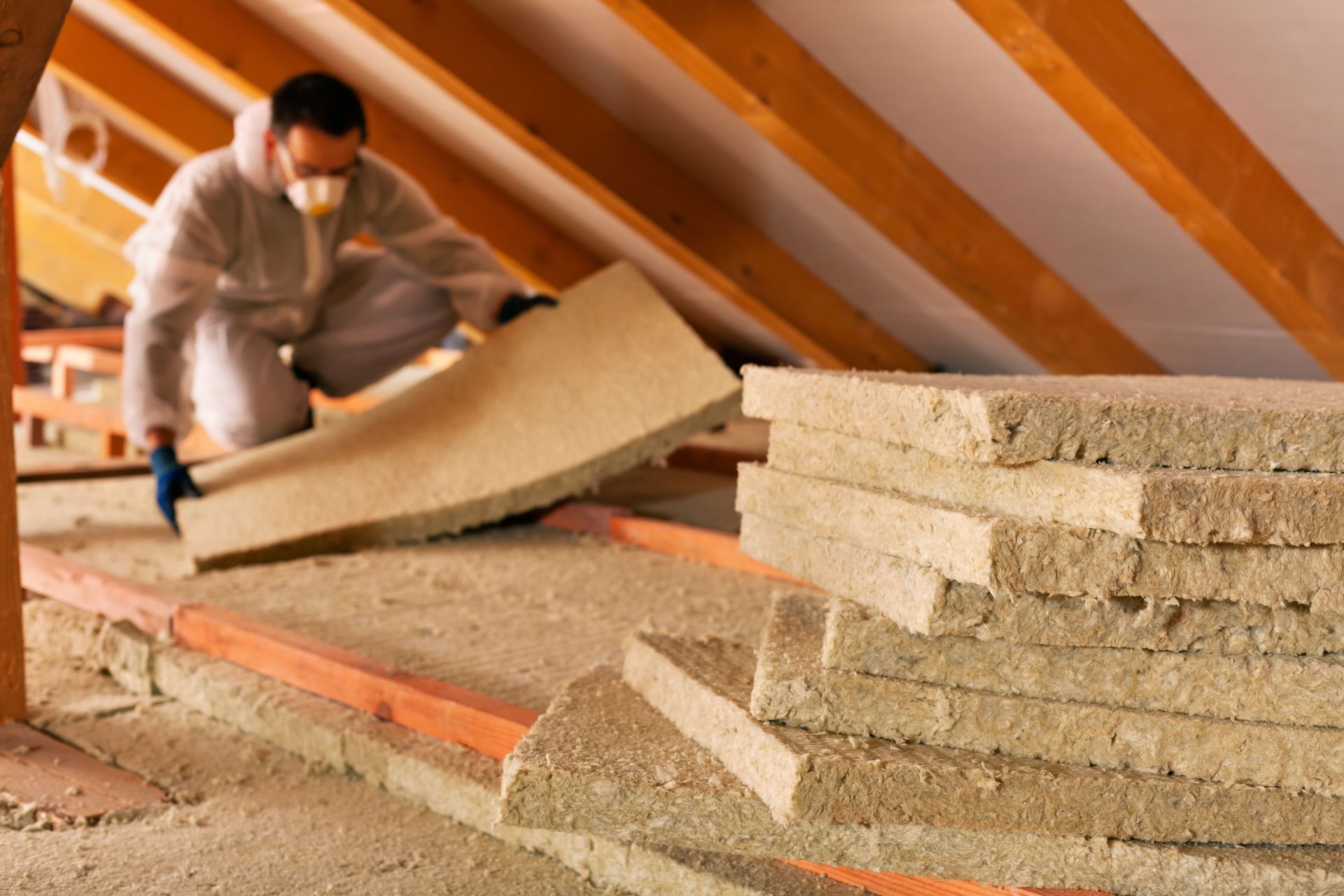
Spray foam is a sophisticated insulation and air-sealing material made from polyurethane or related polymers. The liquid material expands rapidly upon application, filling every crack and crevice before curing into a solid barrier. Unlike fiberglass or cellulose, which can sag or settle over time, this foam creates a permanent, airtight seal. Its ability to adhere to almost any surface makes it a versatile choice for attics, crawlspaces, and rim joists, providing a consistent thermal break that traditional batts cannot achieve.
Comparing Open-Cell and Closed-Cell Foam
There are two primary categories of foam insulation: open-cell and closed-cell. Open-cell foam has a softer, sponge-like texture and is excellent for interior walls where soundproofing is a priority. Closed-cell foam is much denser and serves as a vapor barrier, making it the preferred choice for flood-prone areas or exterior applications. The decision between these types depends on the specific R-value requirements and the structural needs of the project. Understanding these technical differences helps in selecting the right material for specific zones of the home.
Preparing for Professional Installation
A detailed inspection is necessary to determine exactly where spray foam insulation will provide the most value. Experts evaluate the attic, basement, and wall cavities to identify where the thermal envelope is currently leaking. Professional energy audits, including blower door tests, provide a quantitative look at air leakage. This data-driven approach allows for a customized insulation plan that targets the most problematic areas of the home, generating a high return on investment.
Managing Cost and Value
While the initial price point for foam is typically higher than that of fiberglass, the long-term value is significantly greater. Homeowners must consider the "total cost of ownership," which includes monthly utility savings and the increased lifespan of HVAC equipment. When factored alongside the 2025 tax credits mentioned previously, the payback period for a professional insulation upgrade is often much shorter than anticipated. It is an investment in the home's future market value and daily comfort.
Executing Pre-Installation Tasks
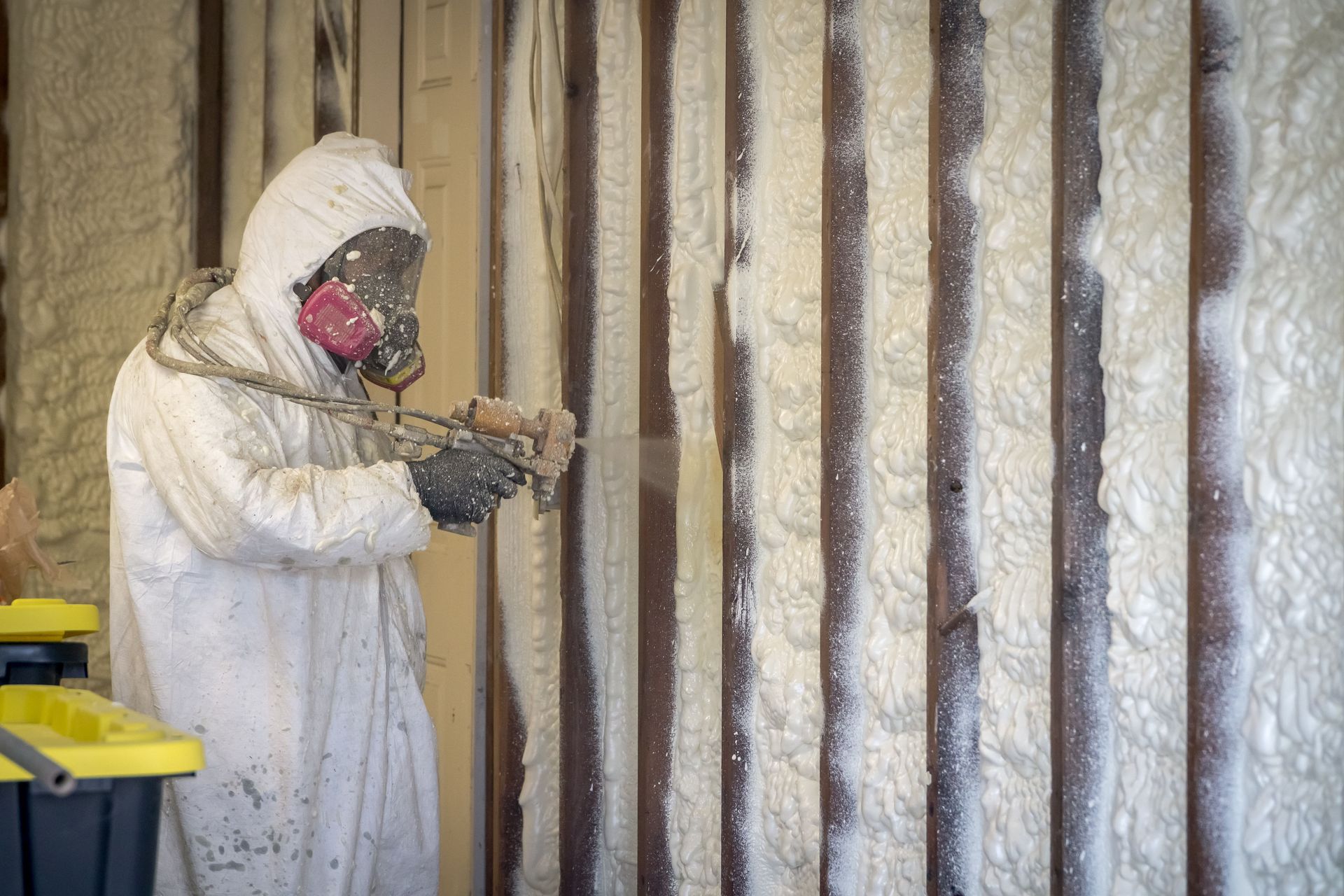
Preparation is the key to a seamless application. This involves clearing access to the target areas and maintaining surfaces that are free of debris. Professional crews handle the heavy lifting of site preparation, including masking off windows and protecting finished floors. Because the application involves high-pressure equipment and chemical blending, relying on experienced technicians is the only way to achieve the chemical balance required for the foam to cure correctly and safely.
Maintaining Your Thermal Barrier
While spray foam insulation is designed to last for the lifetime of the building, periodic monitoring is still beneficial. Homeowners should look for signs of settling in other parts of the house that might put stress on the insulation. If you notice a sudden, unexplained increase in your heating bill or the reappearance of drafts, it may indicate a breach in the envelope. Proactive maintenance resolves minor issues before they impact the overall efficiency of the home.
Maximizing Long-Term Performance
To get the most out of your new insulation, consider it part of a larger system. Complementing the foam with energy-efficient windows and LED lighting will further drive down energy consumption. Maintaining your HVAC system—such as changing filters and cleaning ducts—allows the equipment to take full advantage of the airtight environment created by the foam. This holistic approach to home management leads to the highest levels of comfort and conservation.
Predicting the Future of High-Performance Insulation
The future of the insulation industry is focused on sustainability and even higher thermal resistance. New green blowing agents are being developed to further reduce the global warming potential of the manufacturing process. Researchers are also exploring bio-based resins derived from renewable sources like soy or vegetable oils. These innovations promise to make spray foam insulation an even more environmentally responsible choice for the next generation of builders.
Evolving Energy Regulations
As building codes become more stringent, the demand for airtight construction continues to grow. Governments are increasingly mandating higher R-values and lower air-leakage rates for new homes. Spray foam is uniquely positioned to help builders meet these rigorous standards. By staying ahead of these regulations, homeowners who choose advanced insulation today are effectively future-proofing their properties against tomorrow's energy requirements.
Maximizing your home's thermal envelope is a journey toward long-term stability, comfort, and financial savings. By choosing a high-performance material like spray foam insulation, you address the root causes of energy loss while creating a healthier indoor environment. The combination of superior air sealing, moisture resistance, and structural reinforcement makes it a cornerstone of modern sustainable architecture.
When you are ready to elevate your home's performance, it is vital to partner with a team that values precision and safety. Next Generation Insulation is dedicated to providing tailored solutions that meet the unique needs of your property. Our team utilizes the latest technology so that your thermal barrier is impenetrable to the elements. Contact us today to schedule your comprehensive energy assessment and discover the difference that professional spray foam insulation can make for your future.