May 12, 2026
Choosing the right insulation for your property is an essential decision that affects comfort, energy efficiency, and long-term performance. With various materials available, each offering unique benefits, understanding the differences between them can help property owners make informed choices. Insulation plays a vital role in maintaining indoor temperatures, reducing energy waste, and supporting the overall structure of a building.
Among the many options available today, spray foam insulation has become a popular solution due to its versatility and effectiveness. However, it is important to evaluate all insulation types carefully to determine which one aligns best with your property’s needs. By exploring the characteristics, advantages, and considerations of each type, you can better understand how to achieve optimal results with professional guidance.
Types of Fiberglass Insulation
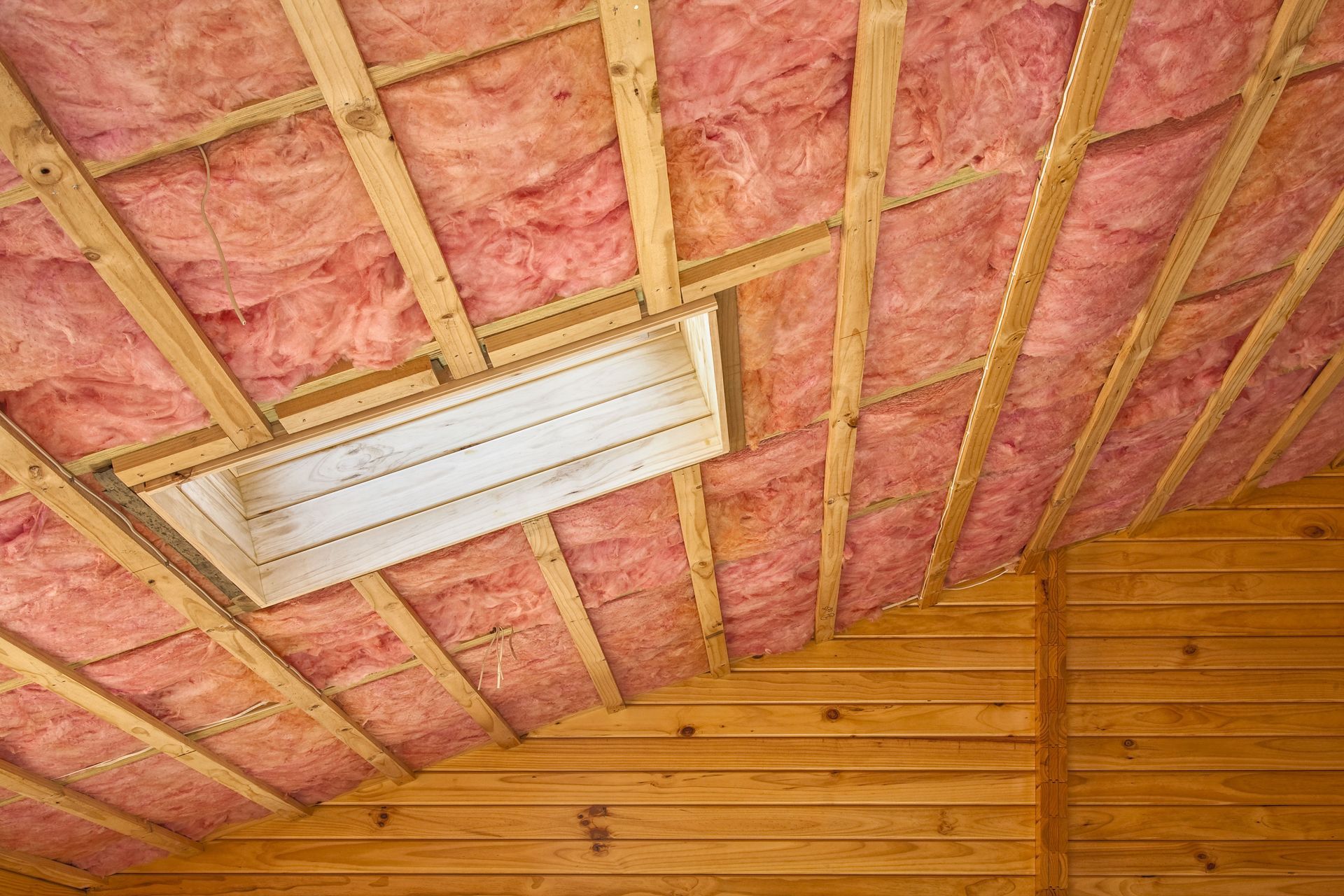
Fiberglass insulation is one of the most widely recognized materials used in residential and commercial properties. It is typically made from fine glass fibers and is available in several forms, including batts, rolls, and loose-fill applications. This type of insulation is valued for its affordability and adaptability across different spaces.
One of the key benefits of fiberglass insulation is its ability to slow the transfer of heat, helping maintain a consistent indoor environment. It is commonly used in walls, attics, and floors, making it a versatile option for many structures. Additionally, it is non-combustible, which adds an extra layer of safety for property owners.
Despite its advantages, fiberglass insulation requires proper installation to perform effectively. Gaps or compression can reduce its efficiency, which is why professional handling is essential. When installed correctly, fiberglass remains a reliable and cost-effective choice for improving energy performance.
Types of Spray Foam Insulation
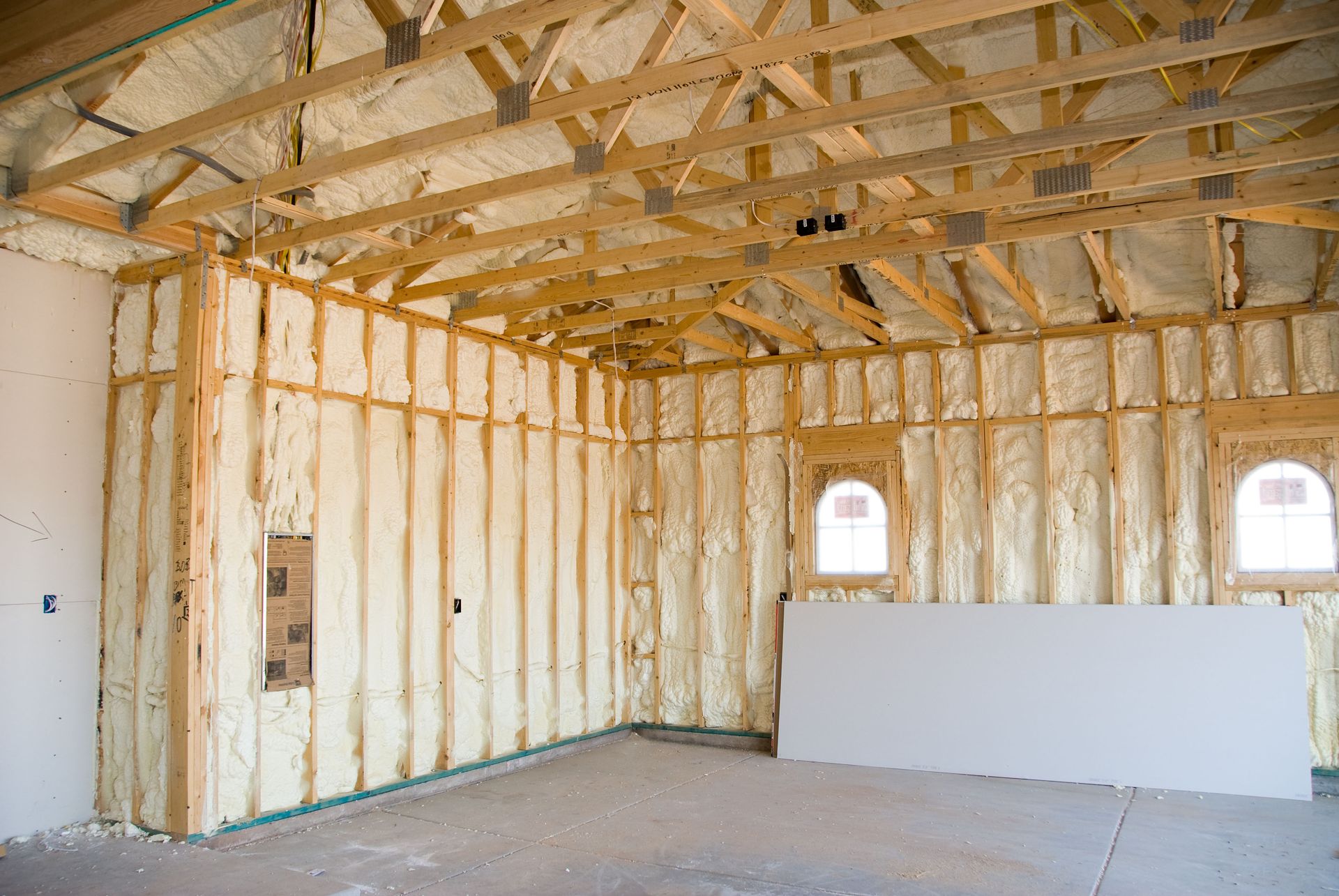
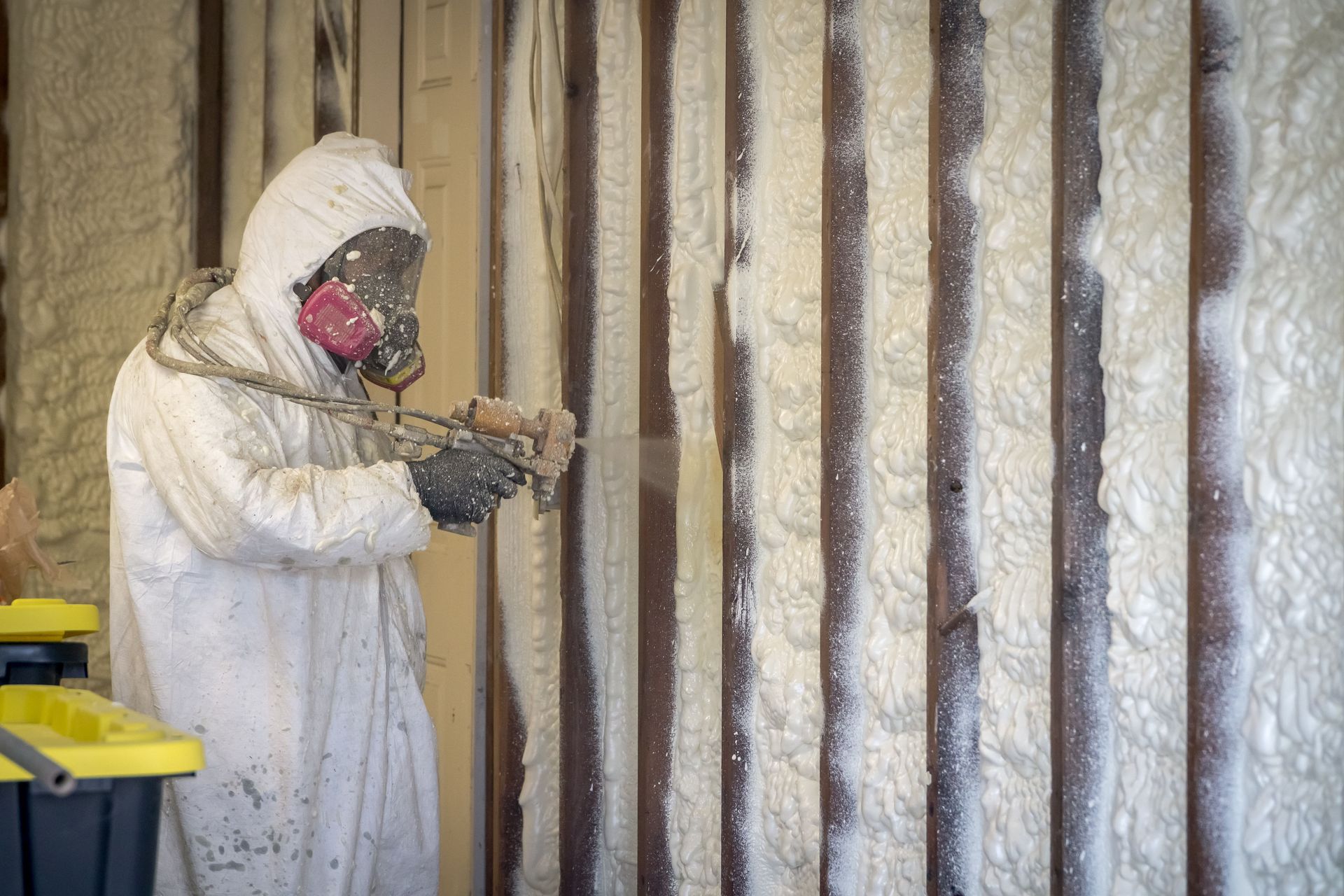
Spray foam insulation has gained significant attention for its ability to create an airtight seal within a property. This material expands upon application, filling cracks, gaps, and hard-to-reach areas that other insulation types may miss. As a result, it provides superior coverage and enhances energy efficiency.
There are different variations of spray foam, each designed to meet specific needs. Some options offer a lighter structure for interior applications, while others provide a denser composition that adds structural support. Regardless of the variation, spray foam is known for its ability to reduce air leakage and improve overall insulation performance.
A major advantage of spray foam insulation is its impact on energy savings. According to PowerBlanket.com, this type of insulation can lower energy expenses by thirty to fifty percent, highlighting its effectiveness in maintaining indoor temperatures. This level of efficiency makes it an appealing option for those looking to enhance comfort while reducing long-term costs.
Professional installation is especially important for spray foam insulation, as proper application ensures maximum effectiveness and safety. When handled by experts, it can deliver long-lasting results that contribute to a more efficient and comfortable environment.
Types of Cellulose Insulation
Cellulose insulation is an eco-friendly option made primarily from recycled paper products. It is treated to improve fire resistance and protect against pests, making it a practical and sustainable choice. This material is commonly used in attics and wall cavities, where it can be blown into place to provide consistent coverage.
One of the standout features of cellulose insulation is its ability to conform to irregular spaces. Unlike some other materials, it can fill gaps more effectively, reducing the chances of air leakage. This makes it a strong contender for improving energy efficiency in both new and existing properties.
Cellulose also offers sound-dampening properties, which can enhance indoor comfort by minimizing noise transfer. However, like all insulation types, it requires proper installation to prevent settling over time. With professional expertise, cellulose insulation can provide reliable performance and contribute to a more sustainable building approach.
Types of Rigid Foam Insulation
Rigid foam insulation is known for its durability and high insulating value. It is typically available in solid panels that can be installed in walls, roofs, and foundations. This type of insulation is particularly effective in areas where moisture resistance is important.
One of the main benefits of rigid foam insulation is its ability to provide continuous coverage without gaps. This helps reduce thermal bridging, which occurs when heat transfers through structural elements. By minimizing this effect, rigid foam enhances overall energy efficiency.
In addition to its insulating properties, rigid foam can add structural strength to certain areas of a building. Its resistance to moisture makes it a suitable choice for basements and exterior applications. When installed correctly, it offers long-term performance and contributes to a well-protected property.
Types of Mineral Wool Insulation
Mineral wool insulation, also known as rock wool or slag wool, is made from natural or industrial materials that are spun into fibers. This type of insulation is valued for its excellent fire resistance and soundproofing capabilities.
One of the key advantages of mineral wool is its ability to withstand high temperatures without compromising its performance. This makes it a popular choice for areas where fire safety is a priority. Additionally, its dense structure helps reduce noise transmission, creating a quieter indoor environment.
Mineral wool insulation is also resistant to moisture and does not promote mold growth, which contributes to a healthier living space. Its durability ensures long-lasting performance, making it a dependable option for various applications. With proper installation, it can enhance both safety and comfort within a property.
Factors in Choosing the Right Insulation
Selecting the right insulation involves evaluating several important factors. Climate plays a significant role, as different materials perform better in certain environments. Understanding how insulation interacts with temperature and humidity can help determine the most suitable option for your property.
Another consideration is the specific area where the insulation will be installed. Attics, walls, and crawl spaces each have unique requirements, and choosing a material that aligns with those needs is essential. For example, spray foam insulation is particularly effective in sealing gaps, while rigid foam may be better suited for areas requiring moisture resistance.
Energy efficiency goals also influence the decision-making process. Property owners looking to reduce energy consumption may prioritize materials that offer superior thermal performance. In this context, spray foam insulation stands out for its ability to minimize air leakage and improve overall efficiency.
Budget and long-term value are equally important factors. While some materials may have a higher initial cost, their durability and performance can lead to greater savings over time. Working with professionals ensures that the chosen insulation is installed correctly, maximizing its benefits and longevity.
Understanding the various types of insulation and their unique characteristics is essential for making informed decisions about your property. Each material offers distinct advantages, from the affordability of fiberglass to the advanced sealing capabilities of spray foam insulation. By considering factors such as climate, application area, and energy efficiency goals, property owners can select an option that aligns with their needs and expectations.
Professional installation plays a critical role in achieving the best results. Proper handling ensures that insulation performs as intended, providing consistent comfort and reducing energy waste. With the right approach, insulation becomes more than just a building component—it becomes a long-term investment in efficiency, durability, and overall property value.
At Next Generation Insulation, we understand that every property has unique needs, and we are here to help you find the right solution. Our team works closely with you to assess your space and recommend the most effective insulation options, including spray foam insulation, for long-lasting performance. Let us guide you toward a more comfortable and energy-efficient environment—together, we can create a solution that truly works for your home or business.