May 21, 2026
In the pursuit of sustainable building solutions, insulation plays a critical role. As energy efficiency becomes a pressing concern, cellulose insulation emerges as a high-performance yet low-impact choice for both commercial and residential buildings. This article explores the advantages of cellulose insulation through a deep dive into its composition, energy efficiency, environmental benefits, economic impact, installation process, and long-term performance. Emphasizing the importance of sustainability in construction, cellulose insulation demonstrates a profound capacity for reducing the environmental footprint of traditional building materials.
Through a thorough examination, we uncover how cellulose insulation contributes to a more sustainable future while offering practical benefits. At Next Generation Insulation, we believe that the right materials combined with the expertise of professional insulation contractors can transform a building's carbon footprint and operational costs.
Understanding Cellulose Insulation
Analyzing Material Composition and Manufacturing
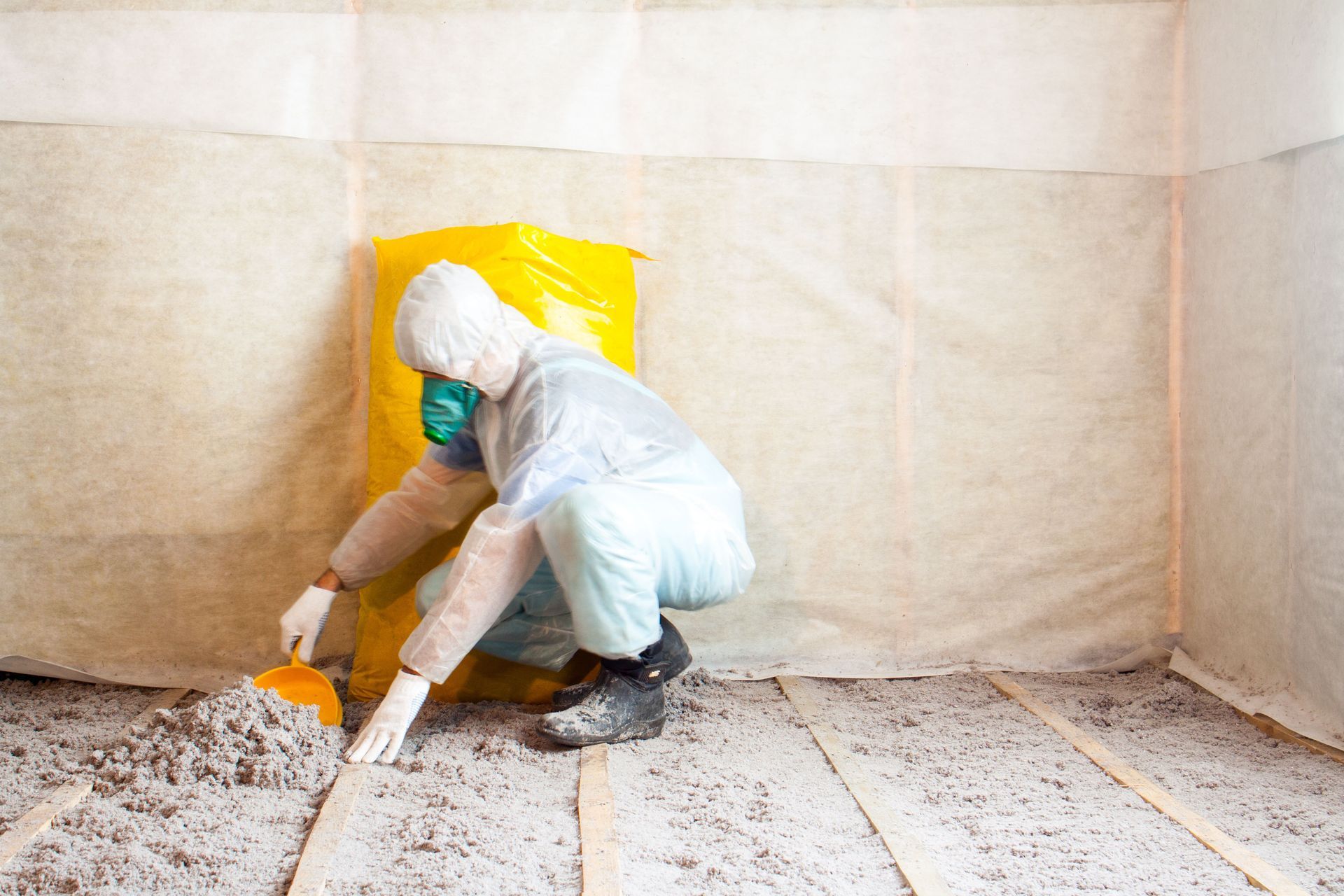
Cellulose insulation is primarily composed of recycled paper products, such as newspapers, cardboard, and office paper. During the manufacturing process, these paper products are processed and treated with a mix of non-toxic borate compounds to make the insulation fire-retardant and insect-repellent. The shredded paper is then densely packed to create an insulating material with a consistency similar to wool. This method allows cellulose insulation to be a sustainable product with minimal environmental impact during production.
The manufacturing process of cellulose insulation hinges on its ability to be effectively sourced from post-consumer and post-industrial waste. This aspect not only aligns with recycling initiatives but also adds to the ethical dimensions of its production. The process involves sorting, shredding, treating, and packaging the fibers into a versatile insulation product ready for use in various forms. This eco-conscious approach is both innovative and practical, offering a way to repurpose what would otherwise contribute to landfill waste.
Cellulose insulation is differentiated by its eco-friendly production and high insulation value. According to This Old House, cellulose insulation, made from recycled paper products, provides an R-value of approximately 3.2–3.8 per inch. The R-value measures the thermal resistance of insulating material, indicating excellent heat retention properties. Therefore, cellulose not only maintains warmth but also reduces energy consumption, benefitting both the environment and building occupants.
Reviewing Historical Development and Innovation
The use of cellulose as an insulating material dates back centuries, with innovations primarily occurring during the 20th century. In the 1970s, following the energy crisis, there was a renewed focus on improving building insulation, leading to increased interest in cellulose. This period spurred significant advancements in the treatment and application of cellulose insulation to enhance safety and efficiency. Over the decades, cellulose insulation has evolved to incorporate modern technologies and safety standards.
Initially, cellulose insulation faced challenges due to misconceptions about its fire safety and durability compared to fiberglass. However, advancements in treatment processes have alleviated these concerns significantly. The introduction of borate treatments as fire retardants and pest repellents helped solidify cellulose's reputation as a reliable choice for insulation contractors. Historically, efforts to optimize cellulose insulation have resulted in safer, more effective products that meet modern energy codes.
Assessing Thermal and Physical Performance
Evaluating Resistance and Acoustic Density
The physical properties of cellulose insulation contribute to its effectiveness in thermal regulation. Cellulose fibers are able to resist conductive heat flow, providing an R-value of approximately 3.2–3.8 per inch. This R-value is a critical measure indicating the ability of the material to resist temperature change, which is crucial for maintaining comfortable indoor environments. In comparison to similar insulating materials, cellulose's density and composition enable it to reduce sound transmission, adding an acoustic benefit.
The material's ability to manage heat flow effectively is a cornerstone of its insulation prowess. Cellulose's inherent density enables it to prevent the movement of heat across surfaces, ensuring that desired temperatures are maintained within. This feature helps reduce heating and cooling loads, leading to significant energy savings over time. Additionally, it slows down the temperature change rate, providing thermal comfort.
Comparing Alternative Insulation Materials
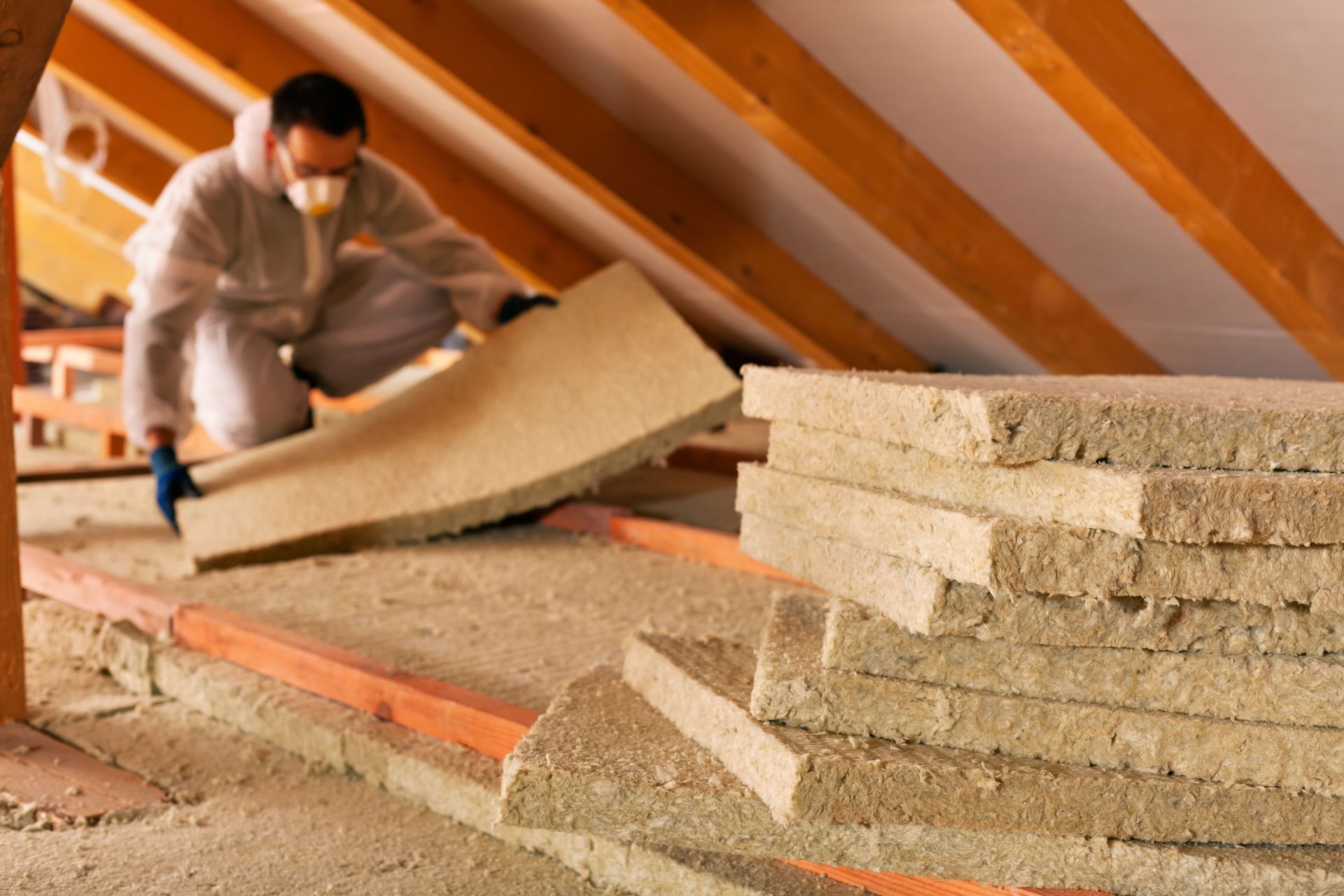
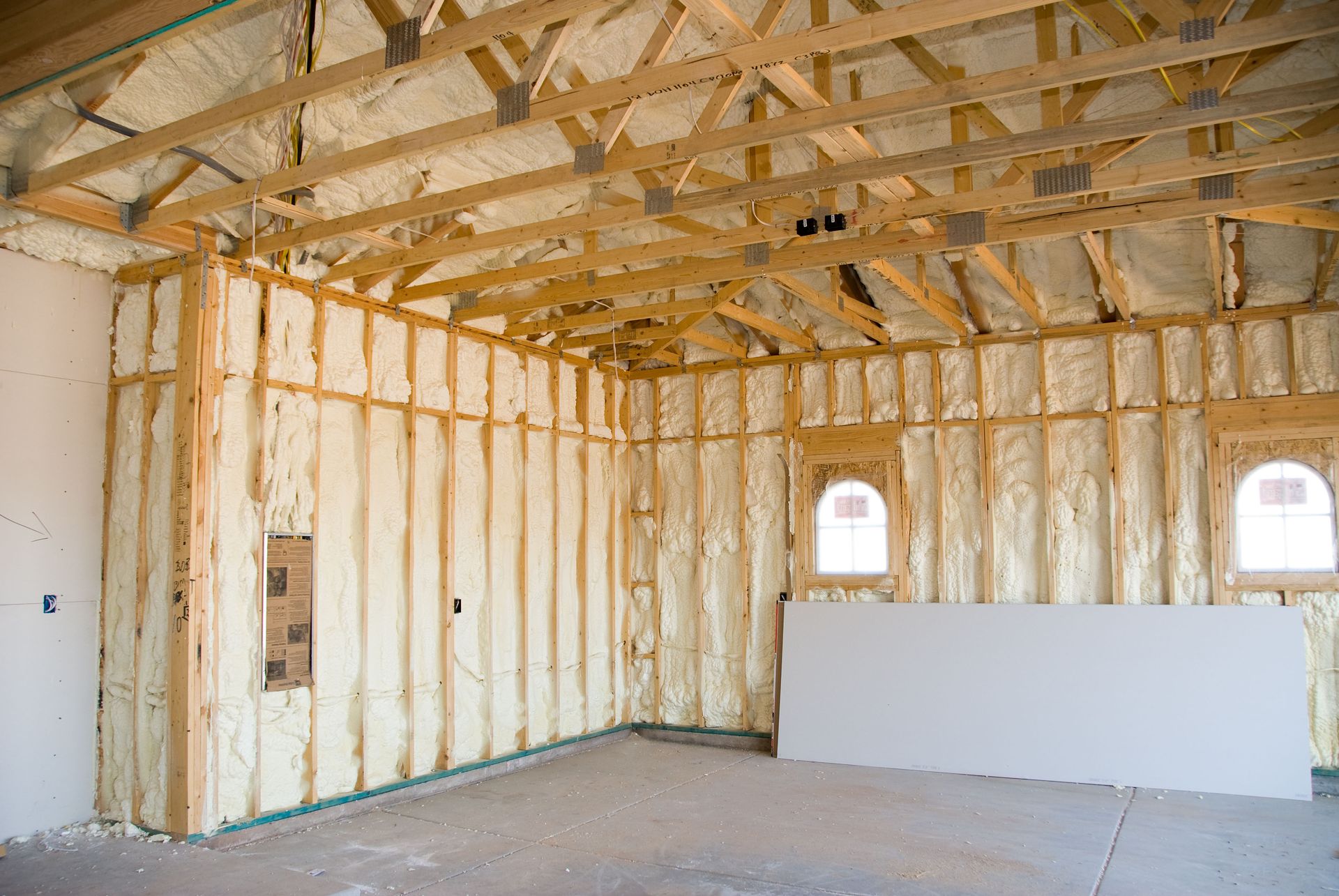
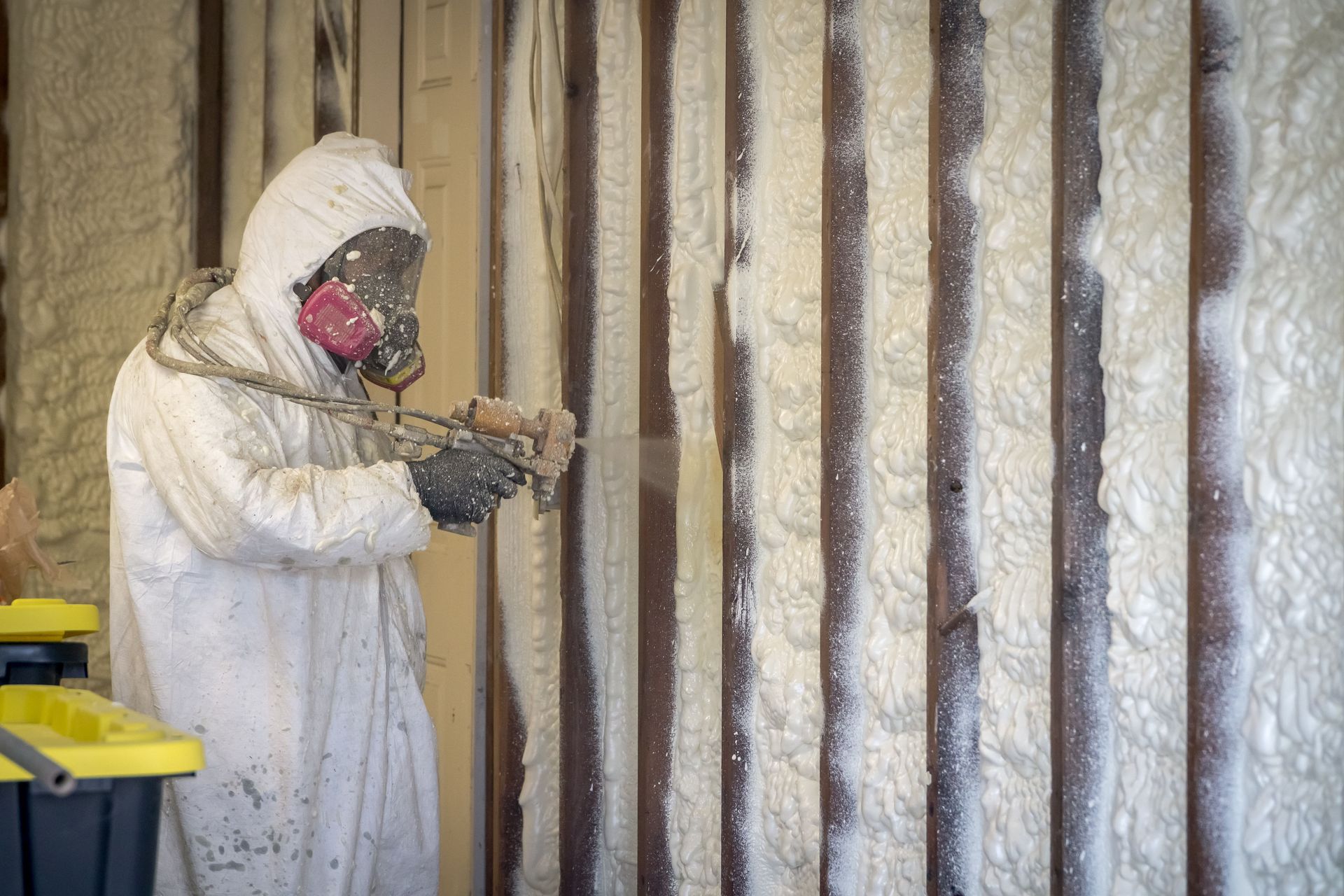
When comparing cellulose insulation with materials like fiberglass and foam, several distinct advantages become apparent. Unlike fiberglass, cellulose utilizes recycled content extensively, making it environmentally preferable with a significantly lower embodied energy. Foam insulation, while effective, often contains petrochemicals that contribute to environmental impact. Cellulose also excels in managing heat retention, providing a competitive range of R-values per inch.
Fiberglass tends to be more lightweight but often requires more energy to produce. This energy requirement increases the ecological footprint of fiberglass compared to cellulose. Potential health implications of airborne fibers during installation also sway some away from fiberglass. Furthermore, cellulose's denser consistency reduces the likelihood of settling over time, which could leave gaps and compromise effectiveness.
Maximizing Building Efficiency
Controlling Heat and Thermal Regulation
One of the primary benefits of cellulose insulation is its superior heat retention capabilities. The material's density allows it to resist changes in temperature, keeping indoor spaces warm in colder months and cool during warmer ones. By limiting the transfer of heat, cellulose insulation helps maintain a stable internal environment, which is crucial for energy conservation. This thermal regulation not only improves comfort levels within a building but also reduces the reliance on heating and cooling systems.
Minimizing Heating and Cooling Loads
The incorporation of cellulose insulation in a building directly impacts the heating and cooling loads required to maintain comfort. This is largely due to the insulation's ability to effectively control and slow down heat transfer, which in turn decreases the demand for HVAC systems. By reducing the frequency and intensity of heating and cooling cycles, cellulose insulation contributes significantly to energy savings over time. These efficiencies translate into reduced operational costs and contribute to a building's overall sustainability.
Enhancing Air Sealing and Moisture Control
The effectiveness of cellulose insulation extends to impressive air sealing capabilities. Due to its composition, cellulose can help prevent air infiltration, a major cause of heat loss. Properly applied by experienced insulation contractors, cellulose effectively fills gaps and crevices, reducing the amount of air exchange between the indoors and outdoors.
Furthermore, cellulose can assist in regulating moisture through its hygroscopic nature, absorbing excess humidity and slowly releasing it as conditions change. This characteristic helps in preventing common condensation-related problems such as mold growth, which can adversely affect health and building materials. Managing moisture levels is an important facet of maintaining structural integrity and indoor air quality.
Calculating Long-Term Impact
Improving Overall Energy Ratings
A building's energy rating is a comprehensive assessment of its energy efficiency, which relies on many factors, including effective insulation. By implementing high-performance cellulose insulation, the overall energy rating of a building can improve significantly. This improvement is due to the insulation's ability to enhance thermal comfort, reduce air leakage, and manage moisture effectively.
Achieving a favorable energy rating is crucial for buildings aiming for sustainability certifications and compliance with modern energy codes. With cellulose insulation offering a solid foundation in energy efficiency, buildings can meet the stringent requirements set by regulatory bodies. An enhanced energy rating bolsters resale value, energy savings, and levels of comfort.
Reducing Waste and Environmental Footprint
A distinguishing feature of cellulose insulation is its composition from recycled content, significantly contributing to waste reduction. Utilizing discarded paper products, cellulose transforms potential waste into valuable building material. This reduction of landfill-bound materials offers an immediate environmental benefit, lowering the necessity for virgin resources.
By partnering with reputable insulation contractors, property owners can ensure they are using a product that exemplifies circular economy principles. As building codes evolve to reflect the necessity for higher standards, cellulose remains a relevant and effective choice to align with future demands. The incorporation of cellulose through expert insulation contractors is pivotal in meeting these growing environmental and economic considerations. Next Generation Insulation is proud to provide these sustainable solutions, helping you build a more efficient and comfortable future.